Selecting the right garage floor coating calls for a careful method that weighs chemical resistance, toughness, upkeep, and value for money. For experts handling busy or heavy-duty settings, the effectiveness of a coating setup relies not just on its makeup but also on how it bonds with the base material and holds up against ongoing work pressures.
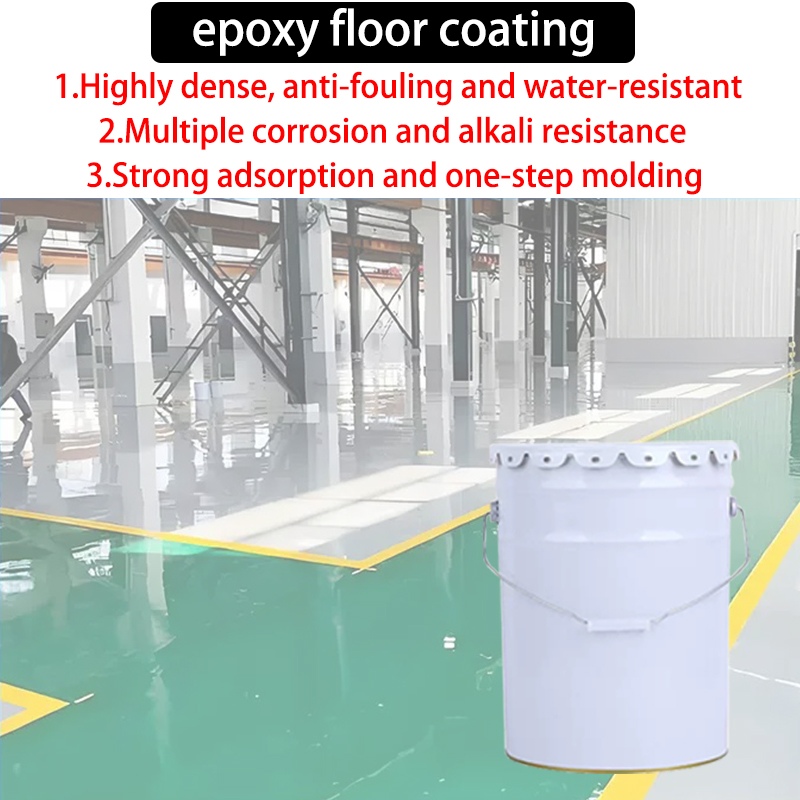
Material Composition and Chemical Resistance
The basic ingredients of a floor coating determine its ability to stand up to oils, solvents, fuels, and cleaning products. Polyaspartic and epoxy coatings stand out for their strong protection against chemicals, far better than acrylic or latex options. These setups build tight, linked structures that fight off breakdown from car fluids and tough chemicals often seen in garages. In factories facing machine stress or spills, coatings with lots of solid parts work best. They form thicker layers with better resistance to scraping.
Here, the idea of material toughness matches that in strong coatings used elsewhere in industry. We make advanced functional coating materials and focus on providing solid solutions for industrial and digital printing needs. This way of designing coatings for tough spots—whether heat or chemical—fits garage floor setups too. There, lasting quality and dependability matter a lot.
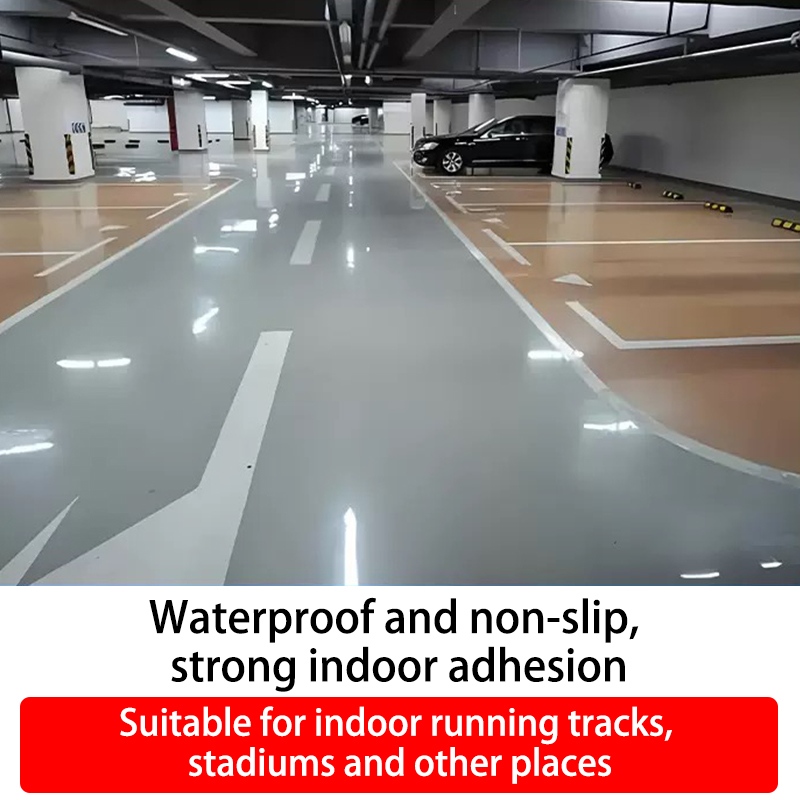
Surface Preparation Requirements
Getting the surface ready ranks as one of the key steps in applying any garage floor coating. A well-prepped base makes sure the concrete sticks firmly to the coating layer. Grinding or shot blasting often proves needed for floors with old coatings or oil stains. These hands-on ways clear out weak spots and open up the concrete’s tiny holes for deeper hold.
Always test for moisture before starting, as hidden water can lead to peeling or bubbles once it dries. The same careful prep applies in many coating fields. Make sure the surface stays clean, free of rust, and without dust. Follow the mixing directions for the coating. Put on several layers using the right tools. Watch the thickness. Let each layer dry fully before the next. These actions ensure solid sticking power and good results over time in hard-use areas.
Maintenance and Longevity Considerations
How often you maintain it affects overall costs in the long run. Coatings that handle UV light well keep their shine and color even with steady sun exposure. This matters for garages with open doors or see-through roofs. Easy-care options like polyaspartic types cut down on stoppages. They fight off tire tracks, spots, and damage from moving gear.
Regular cleaning with mild soaps stretches out the life of the coating. It stops gritty bits from building up and wearing down the outer layers. Experts pick coatings that mix toughness with simple care. This helps lower total costs in business settings.
How Do Different Types of Garage Floor Coatings Compare?
Every type of garage floor coating shows unique strengths based on its chemical base and the conditions during setup. Knowing these points helps experts pick the right system for their needs.
Epoxy Floor Paints: High Durability and Aesthetic Appeal
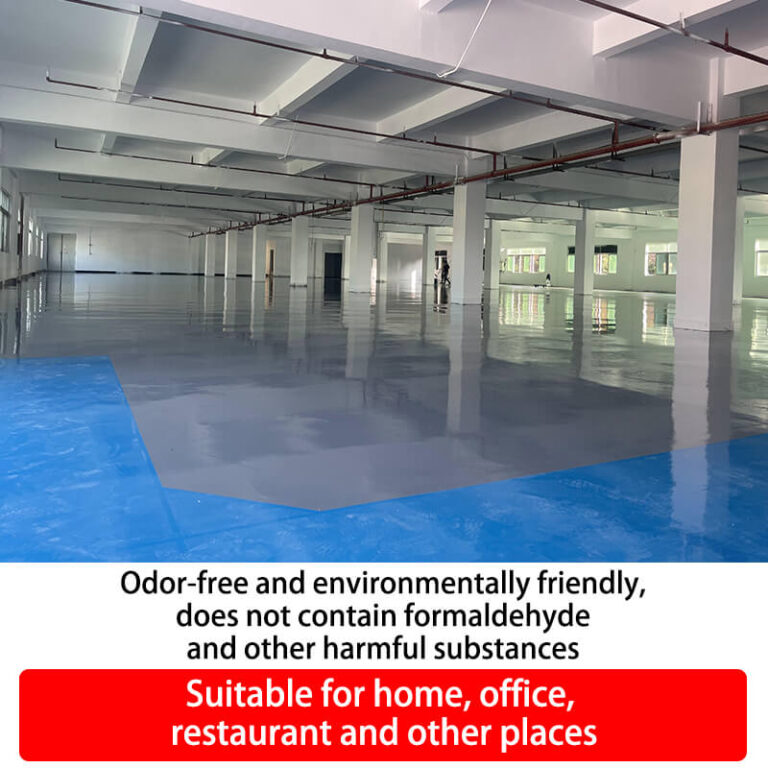
Epoxy floor paints stay among the top picks thanks to their great hardness, shock resistance, and smooth look. When done right, epoxy gives a shiny surface that bounces back light. At the same time, it offers strong guard against physical wear.
These coatings shine in tough garages where lifts or cars put constant pressure on the floors. Yet, basic epoxy can turn yellow over time in sunlight unless covered by a UV-safe top layer like polyurethane or polyaspartic resin. And so, it forms a stiff, heat-set polymer grid that stands against scraping and chemicals. However, it bends less than some other choices.
Polyaspartic Coatings: Fast Curing and Versatile Performance
Polyaspartic coatings mark a step forward in floor coating tech. They cure quickly, even in cooler weather. This cuts downtime a great deal, which helps commercial shops that need fast returns to work.
Their stretch allows small shifts in the base without breaks. Plus, they stick well. Compared to old epoxies, polyaspartics handle UV better, so they suit indoor displays and outside lots alike.
Experts value polyaspartics for building thick layers in just a few coats. They also keep things clear over added bits like flakes or quartz mixes in the setup.
Polyurethane Coatings: Balanced Flexibility and Chemical Resistance
Polyurethane coatings provide a good mix of bend and firmness for average-use spots like home garages or repair areas. They hold back tire marks, light acids, fuels, and home chemicals well. And they keep colors steady as time goes on.
People often apply them as outer layers over epoxy bases. This boosts wear protection and adds UV cover against fading. The outcome is a tough surface that takes physical hits without losing its nice look.
What Are the Key Application Techniques for Professional Results?
Getting top-notch outcomes from any epoxy floor paint or polyaspartic setup hinges on careful methods in steady surroundings.
Environmental Control During Application
Temperature and moisture levels shape how fast it cures and how well it sticks. Too much dampness can cause flaws like clouding or white spots in epoxy setups. So, experts check the air closely with tools like hygromers. This leads to even results on big areas.
Good air flow also helps solvents escape early in drying. But it avoids bringing in dust, which matters for smooth, shiny ends that clients want.
Layering Systems for Enhanced Performance
Skilled workers often build setups with several layers. They start with a primer for better hold, add a base for strength, include flakes for looks if wanted, and finish with a clear top for chemical guard. Each part adds its own benefits. Together, they set the full system’s lasting power.
This step-by-step way echoes protective coating plans in other fields. There, stacking layers improves both toughness and steady looks in rough spots.
Quality Control in Curing and Inspection Processes
Once applied, close checks make sure the finish has no flaws before use. After-drying reviews spot tiny holes, air pockets, uneven shine, or thin spots early. This allows fixes in time.
Follow set drying times before adding heavy weight. Early use can harm the build by leaving marks on soft layers.
Why Is Foshan Konaz Technology Co., Ltd Considered a Reliable Garage Floor Coating Supplier?
Foshan Konaz Technology Co., Ltd has gained worldwide trust as a steady source for strong floor coating answers made for heavy industry use. Their range covers epoxy resins, polyaspartic coatings, polyurethane systems, and custom mixes built to client needs in areas like factories, shipping centers, car sites, and business spots.
Their making skills rest on modern research tools that push new ideas in material know-how, much like top names in functional coatings. We work to boost material strength and making speed through fresh ideas in functional coatings. This aids our partners in leading with quality, cost watch, and green duties. Such focus shows Foshan Konaz’s promise to steady product trust matching global rules for safety and green ways.
What Are the Emerging Trends in Garage Floor Coating Technology?
The garage floor field keeps changing with new ideas aimed at better green practices. At the same time, it boosts tech features and style choices for builders and site heads.
Eco-Friendly Formulations with Low VOC Emissions
Rising green rules have sped up work on kind-to-earth mixes with lower volatile organic compound (VOC) releases. They keep key toughness measures like firmness or scrape resistance. Water-based tech now gives similar guard qualities. Plus, it cuts smells during setup, which helps in closed shops with poor air flow.
These steps match wider industry shifts toward green care through material advances. Think of strong heat-proof coatings that hold up in extreme heat to 800°C. Withstands direct flame up to 800°C shows how science wins turn into green yet solid designs. This applies to floor uses needing hold under heat stress from machines.
Integration of Decorative Finishes with Functional Benefits
Style options grow more vital even in plain spots like garages. Metal colors mixed with quartz bits make eye-catching ends. They also boost grip against slips, key for wet areas like wash spots or fix centers.
Builders now pick flake mixes that fit company colors. Yet, they meet safety rules on slide levels for coated floors. This shows how style blends with need and brand goals in smooth modern floor work.
Smart Coating Technologies for Predictive Maintenance
New smart-coating tech adds built-in sensors. They track heat changes or spot tiny stress shifts in dried layers over time. The info gathered allows planning fixes before damage shows. This cuts stoppages and stretches life through ahead-of-time care, tied to real-time data in site systems.
These steps signal a shift to smart setups. They turn basic floors from simple guards into active check tools. This fits global Industry 4.0 ways in top making fields today.
Conclusion: Selecting the Right Garage Floor Coating for Professional Applications
Picking the best garage floor coating relies on work needs. Heavy-load spots gain from epoxy’s press strength. Quick-work places get speed from polyaspartic’s fast dry. Average-duty areas use polyurethane’s even bend against chemical risks. Pair this with exact base prep steps. Add steady air setup rules watched by skilled workers like those at Foshan Konaz Technology Co., Ltd. Then, each setup hits peak results fit to exact field calls. It ensures lasting quality, style, safety, and rule follow at once in all global use cases.
FAQs
What is the average lifespan of a professionally applied epoxy garage floor coating?
A well-put epoxy system usually lasts 10–20 years. This depends on base prep quality, traffic load, exposure types, and care routines. They all help reach the full life span.
Can polyaspartic coatings be applied over existing epoxy floors?
Yes. Polyaspartic topcoats stick well when old epoxies get proper rough sanding. This boosts UV hold, firmness, and shine keep. It stretches use beyond the first setup’s planned time.
How does humidity affect garage floor coating application?
High air dampness harms curing steps. It can cause flaws like cloud spots. So, tight controls ensure best stick, even cover, and steady finish over the whole coated space in pro setups worldwide.