White ink absorbent coatings have turned into a key part of today’s printing advances. They provide better results than standard bases. These coatings help ink stick well. They boost color brightness. They also give steady print results in many uses. On the other hand, usual printing items often use raw surfaces. These can cut down color strength and picture clearness.
Key Characteristics of White Ink Absorbent Coatings
White ink absorbent coatings include special top layers. These layers improve ink uptake and raise color strength overall. Their tiny-pore setup lets inks spread out smoothly. This stops spots or uneven spread. So, each printed part keeps its sharpness and fullness. Plus, these coatings stop ink from running. This is a usual problem with bare items. As a result, they sharpen edge lines and text clearness. Another main feature is their fit with UV-curable and solvent-based inks. This allows use in varied tasks like signs, boxes, fabrics, and factory tags.
Core Properties of Traditional Printing Materials
Usual printing items usually have raw or lightly handled surfaces. They depend on the basic uptake of the base. Though cheap, this way often leads to spotty ink entry. It causes uneven uptake or weak color shine. Such items may work for low-price or small-batch jobs. But they fail in high-detail or fast-run settings. Without better surface fixes, these bases often miss key traits like quick hardening fit or stronger lasting power.
How Do White Ink Absorbent Coatings Enhance Print Quality and Efficiency?
White ink absorbent coatings have changed how printers get accuracy and speed in work flows. The set uptake speed affects print detail, color shine, and dry time. These three things matter a lot for pro-level work.
Improved Color Accuracy and Visual Depth
Better surface evenness makes sure ink layers stay the same on the coated base. It gives a firm ground for color drop. Thus, these coatings help match colors right, even in tricky designs. A white base layer helps a lot. It makes light or see-through inks show up better. These would look dull on dark items otherwise. Also, less dot spread happens. This is when print dots grow past their set limits. So, pictures get clearer with better small details.
Faster Drying Times and Reduced Waste
The right coating makeup speeds up the hardening for UV-curable and solvent-based inks. Quick dry cuts down smear risks when handling or doing next steps. This lowers the need for redo prints. It saves materials and helps green operations. Smooth work flows from fast-dry coatings raise output. They keep steady quality in big print runs.
What Are the Economic Implications of Using Absorbent Coatings Compared to Traditional Materials?
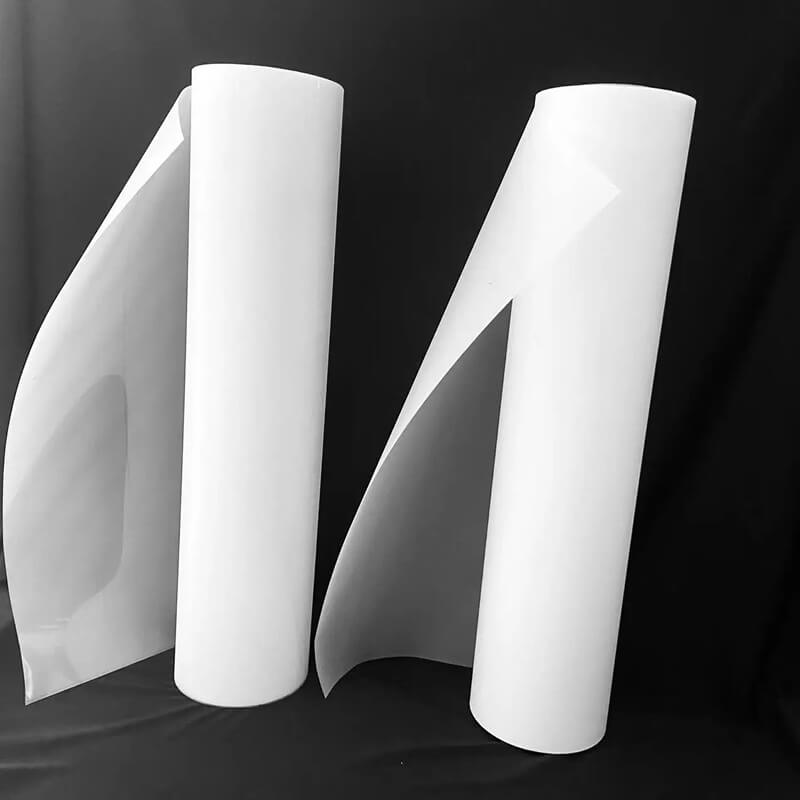
Using new coating tech means weighing start-up costs against ongoing gains. For firms looking at white ink absorbent coatings versus usual bases, it is key to grasp both spending needs and work boosts.
Initial Investment vs. Long-Term Savings
Absorbent coatings often cost more at first. This comes from special mixes and making steps. But they give clear paybacks later. Their stronger build cuts down on fix or swap needs from wear. Less waste also covers start costs. It does this by better use of materials over work rounds.
Productivity Gains in High-Demand Environments
In big-print setups where pace and steadiness set profits, white ink absorbent coatings offer clear edges. Better print speed aids large-batch runs without losing picture truth. Steady quality cuts down checks that slow work or raise worker costs. Sure results also better plan times. This matters for hitting client due dates on time.
How Do Environmental Factors Influence Material Selection?
Green concerns now shape choices in the world printing field. The move to kind solutions has pushed makers to create coatings that fit clean work ways.
Eco-Friendly Advantages of Modern Coatings
Many new absorbent coatings use low-VOC mixes. These cut bad air releases during put-on and hardening. The makeup aids less power use with UV hardening over old heat-dry ways. Also, re-use bases with these coatings help round economy plans. They make end-life recovery easy and right.
Environmental Limitations of Traditional Printing Materials
Standard printing bases often use non-renew items like oil-based plastics or treated papers. Their low re-use makes waste handling hard. Systems already full from factory waste face more load. Weak fit with green inks limits their green chance too. Many usual surfaces can’t link well with water-based or nature-made colors without extra steps.
Why Should Businesses Consider Foshan Konaz Technology Co., Ltd as Their Supplier?
Foshan Konaz Technology Co., Ltd stands out as a solid provider. It focuses on white ink absorbent coating items for pro printing tasks around the world.
Commitment to Quality and Innovation
The firm’s strong research and development work keeps coating results steady on many base kinds in digital printing spots. Ongoing new ideas match its products to rising tech like mixed UV setups and changing data print tools. This helps clients stay ahead with tech skill.
Reliable Global Supply Capability
Foshan Konaz Technology’s strong ship network allows on-time sends to world markets. It holds tight quality checks from make to ship steps. Its focused tech help group aids buyers with printer tweaks. This ensures smooth mix between gear skills and coating traits for top output speed.
How Can Businesses Choose the Right Material for Their Specific Applications?
Picking between white ink absorbent coatings and usual materials needs close check based on job kind, planned print amount, lasting needs, and money limits.
Factors to Evaluate Before Making a Decision
Print Application Requirements
Firms must check base fit for their goal use. This could be outdoor signs needing weather hold or high-end boxes wanting top looks. Then, see how coating traits match those aims.
Equipment Compatibility and Workflow Integration
Before use, check if current printers can handle coated bases well. They should not need big re-sets or gear changes. Such changes could mess up set work flows.
Budget Allocation and Long-Term Strategy
Leaders should weigh quick cost caps against future work boosts. These come from less waste, quicker turn times, and better client joy from top print work via new coating tech.
Conclusion: Finding the Right Balance Between Innovation and Practicality
Deciding between white ink absorbent coatings and usual printing materials means matching tech advances with money sense. It also includes green duties. For companies wanting top print work, steady runs, and fit with changing green rules, using new absorbent coating fixes is a smart spend. It backs growth ready for tomorrow.
FAQs
What types of printers are compatible with white ink absorbent coatings?
Most UV-curable, solvent-based, and hybrid digital printers can efficiently process coated substrates designed specifically for optimized white ink absorption performance.
Are white ink absorbent coatings suitable for outdoor applications?
Yes; when paired with UV-resistant inks, these coatings exhibit excellent durability against sunlight exposure, moisture variations, and temperature fluctuations common in outdoor environments.
How does Foshan Konaz Technology Co., Ltd ensure consistent product performance?
The company employs rigorous quality control protocols throughout every stage of its manufacturing process—supported by continuous testing procedures—to maintain uniform coating thicknesses, adhesion strength levels, and precise color accuracy across all production batches delivered globally.