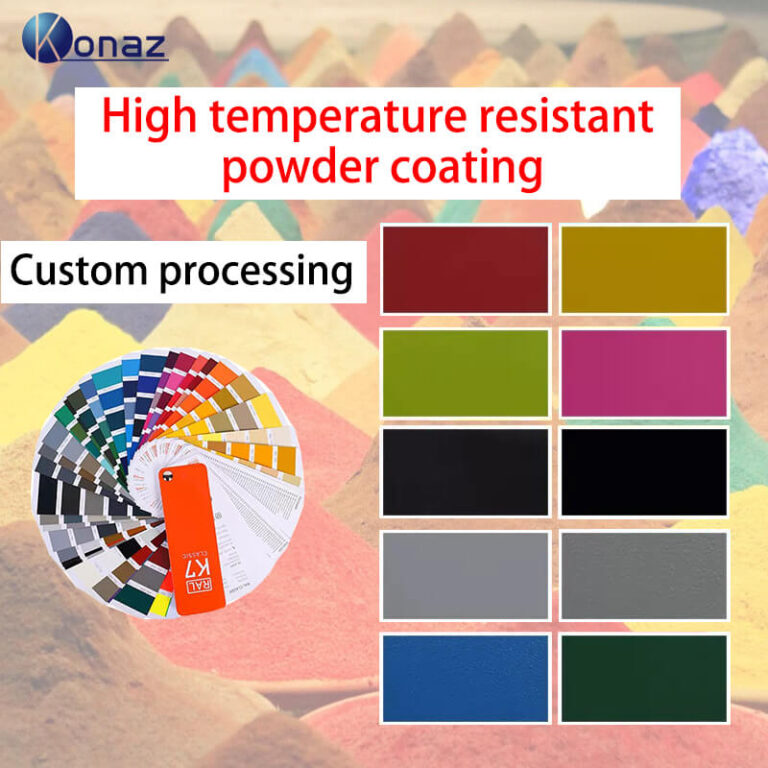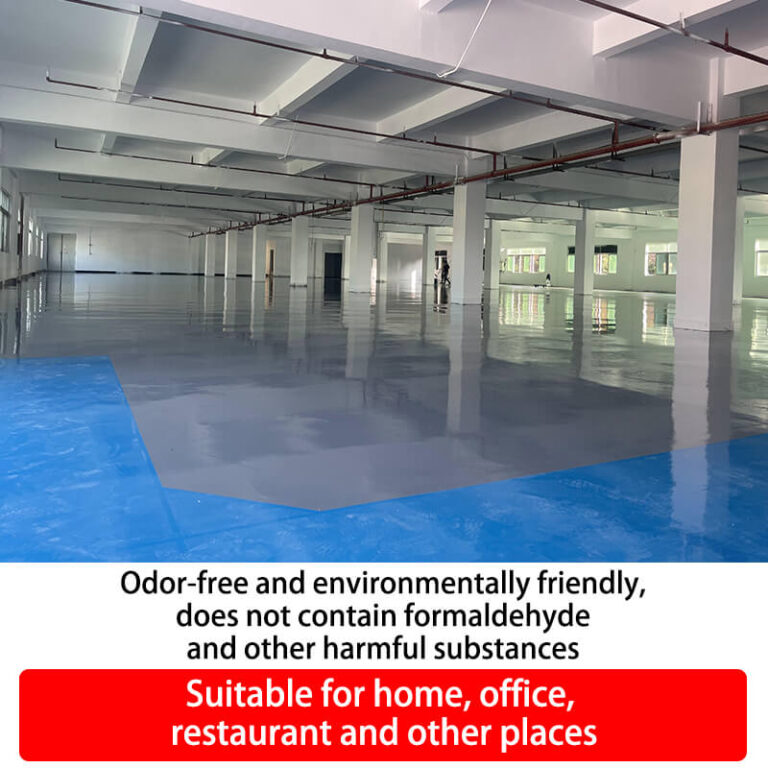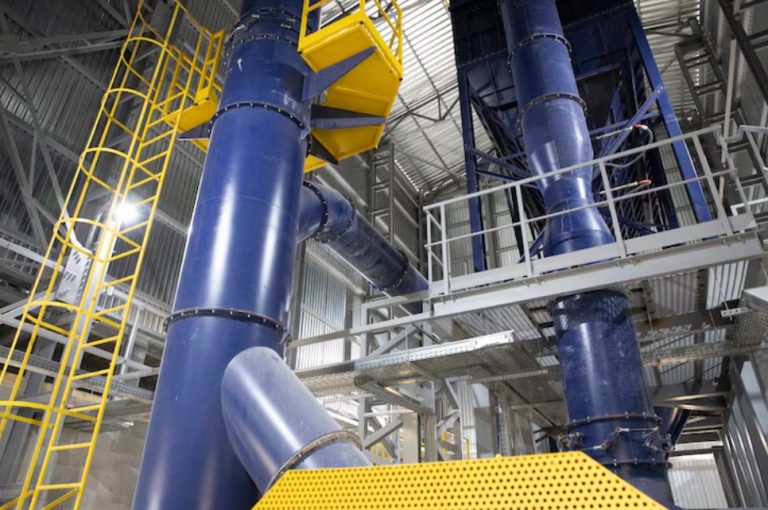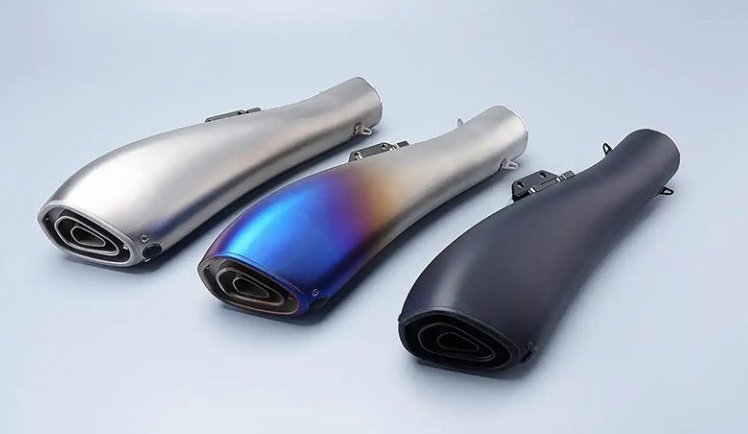
When manufacturers select high temperature paint, maximum heat resistance stands out as the primary specification to review. Yet, coating thickness plays a vital role in long-term performance. An overly thick film often dries unevenly. This makes the surface prone to blister, crack, or peel during heating. Conversely, a very thin film might leave the metal partially unprotected. Therefore, controlling film thickness becomes a key element of coating quality. This applies to fireplaces, BBQ grills, exhaust pipes, stove parts, and similar equipment working between roughly 200°C and 800°C.
Why Does High Temperature Paint Thickness Matter?
High-temperature coatings constantly face repeated heating and cooling cycles. Through this action, metal naturally expands under heat and shrinks upon cooling. The applied coating has to hold firmly while these physical changes occur.
Film thickness directly dictates how well the coating manages this ongoing thermal cycling.
What Happens If High Temperature Paint Is Too Thick?
Adding extra paint fails to guarantee better heat resistance.
If you apply the coating too heavily, the top layer might start drying while the deeper section stays wet. Once the coated part gets hot, trapped solvents and uneven internal stress will likely trigger defects.
Typical issues include:
- Blistering
- Cracking
- Peeling
- Uneven curing
- Poor surface appearance
- Excessive paint consumption
For producers building large batches of fireplaces, grills, exhaust items, or stove parts, these flaws quickly boost rework rates and drive up production costs.
What Happens If the Coating Is Too Thin?
An extremely thin layer brings about a totally different group of troubles.
If the metal lacks full coverage, specific spots will get weaker defense against oxidation, rust, or harsh environments. Moreover, irregular film thickness often leads to mismatched colors or uneven looks across finished goods.
Thus, the objective is never to build the thickest layer. Instead, factories must aim for a steady film inside the suggested range.
Is 20–30 Microns a Suitable High Temperature Paint Thickness?
For related KONAZ high-temperature paint uses, the advised coating thickness sits around 20–30 μm.
You should view this number as a product-specific guide. It is not a broad rule for every single heat-resistant finish.
Why Does KONAZ Recommend a Thin Coating?
A carefully managed thin film lets the paint dry and cure evenly. At the same time, it keeps a strong grip on the metal base.
Correct thickness helps achieve:
- Uniform drying
- Better adhesion
- Lower cracking risk
- Reduced blistering
- Consistent appearance
- More efficient paint consumption
KONAZ application guidelines urge users to spray lightly. They advise against putting on a heavy, thick coat.
Spraying works best if you have the right tools. You can use a brush as well. However, the layer must stay thin and smooth.
Does Higher Temperature Mean the Paint Should Be Thicker?
Not at all.
Suppose a metal part runs at 600°C or 800°C instead of 200°C. Making the coating thicker will not magically boost its heat resistance.
First, the paint mix itself must handle the target heat. After that, film thickness needs to match the supplier’s stated application range.
KONAZ high-temperature coatings are built for jobs from about 200°C to 800°C. This depends on the exact product and the working environment.
How Does Surface Preparation Affect High Temperature Paint?
Even perfect film thickness fails to fix bad substrate prep.
Before painting begins, the metal surface must be totally clean and dry. It needs to be clear of rust, oil, water, and loose dirt.
Why Is Metal Surface Preparation Important?
Oil, rust, moisture, and leftover dirt weaken the link between the coating and the metal.
When the item goes through repeated heating and cooling, these weak spots turn into starting points for peeling, blistering, or cracking.
KONAZ suggests cleaning and grinding the base before painting. This step ensures a fresh metal surface is ready.
In factory settings, good surface prep needs to act as a core part of the painting routine. It is never an optional extra.
How Can Factories Control Film Thickness During Production?
In B2B manufacturing, film thickness needs strict handling as a steady quality-control metric.
Keeping batches consistent holds massive value for OEM goods. These items demand reliable looks and solid coating performance.
How Should Spraying Be Controlled?
Workers should skip trying to get full, heavy coverage in just one pass.
Instead, they need to spray the paint smoothly. They must use steady gun movements and deliver the material evenly.
Many details impact film thickness, such as:
- Spray distance
- Coating viscosity
- Gun settings
- Spraying speed
- Part geometry
- Operator technique
Locking down these details helps cut down differences among the final parts.
Why Should Film Thickness Be Checked?
Just looking at the part cannot always reveal if the coating is too heavy or too light.
Testing film thickness during the run lets factories spot process shifts. It cuts paint waste and boosts batch reliability.
If blistering, cracking, or peeling shows up later, saved thickness records can reveal if the application method caused the fault.
How Should High Temperature Paint Be Dried or Cured?
Application thickness and curing share a tight bond. Even a perfectly sprayed coating must dry fully before facing normal high-temperature work.
KONAZ offers two practical drying paths.
What Oven-Curing Method Can Be Used?
Right after painting, you can put the coated part inside an oven. Keep it at about 280°C for 15 minutes.
This setup lets factories with oven gear build a strict curing routine. As a result, production consistency improves greatly.
Can High Temperature Paint Dry Naturally?
Yes. If an oven is out of reach, KONAZ application guides note that the coating can dry naturally. This takes roughly 24 hours.
Makers must avoid putting partly dried coatings straight into high-heat service. Doing so will harm the final coating stability.
Which Products Need Careful Film Thickness Control?
Film thickness matters deeply for goods that face constant thermal cycles.
Fireplaces and Stoves
Fireplaces and wood stoves heat up and cool down over and over during use. A tightly managed coating film preserves both grip and visual appeal.
BBQ Grills
BBQ grills mix intense heat with regular thermal cycling. Steady coating application lets builders cut down peeling and blistering threats.
Exhaust Pipes
Car and motorcycle exhaust pipes endure high heat, oxidation, and tough weather. Correct coating thickness preserves reliable surface defense.
Why Choose KONAZ as a High Temperature Paint Supplier?
KONAZ has dedicated itself to high-temperature coating research, creation, and production for about 15 years.
The business runs roughly 3,000 m² of factory space. It holds more than 30 production machines. Also, it posts a yearly output of roughly 1,000 tons.
Its high-temperature coatings serve exhaust pipes, fireplaces, BBQ grills, and other metal gear. Options exist for tasks needing heat endurance up to about 800°C. The main focus remains on strong grip, color hold, and peeling defense.
For commercial buyers, KONAZ gladly offers usage advice. This covers base prep, spraying steps, film thickness, and curing rules.
Conclusion
The ideal high temperature paint thickness does not mean applying the thickest layer you can manage.
For matching KONAZ tasks, roughly 20–30 μm serves as a solid guide. Too much paint raises the chance of poor drying, blistering, cracking, and peeling. On the other hand, weak coverage lowers metal safety.
Builders need to treat surface prep, spray work, film thickness, drying, and curing as a single linked process. This holds special weight for fireplaces, BBQ grills, exhaust pipes, stove parts, and similar high-heat metal items.
FAQs
1. Is 20–30 μm enough for high temperature paint?
For linked KONAZ high-temperature paint uses, roughly 20–30 μm stands as the advised film-thickness guide.
2. Does thicker high temperature paint provide better heat resistance?
No. Too much thickness often leads to uneven drying. It also lifts the danger of blistering, cracking, or peeling.
3. How long should KONAZ high temperature paint dry?
You can cure it in an oven at roughly 280°C for 15 minutes. Alternatively, it can dry naturally for about 24 hours when an oven is not present.