Industrial metal goods often suffer from rust. This damage comes from water, air, salt spray, harsh chemicals, and rough weather. Picking the best anti-rust paint is highly necessary. However, buyers must also figure out how they plan to apply the coating. Will it act as an anti-rust primer? Will it work as a topcoat? Or will it do both jobs? You might be coating steel structures, machinery, pipelines, tanks, ships, or outdoor metal parts. In all these cases, a proper coating setup boosts rust defense. It also cuts down on upkeep work. Furthermore, it helps factory owners manage their painting expenses better.
What Is the Difference Between an Anti-Rust Primer and a Topcoat?
Both the primer and the topcoat play huge roles in keeping metal safe. Still, they handle completely distinct tasks. Buyers need to think about a few things before picking a paint system. They must look at where each layer goes. They also need to know what results they want from every single coat.
What Does an Anti-Rust Primer Do?
Workers usually put an anti-rust primer for steel right onto a clean metal base. Its main goal is to build a very tight grip. It also acts as the very first shield against rust.
A good primer stops water, air, and salt spray from touching the bare metal. It also blocks other harmful elements. This step is extremely vital for fabricated steel and machinery. It matters just as much for tanks, pipelines, and similar metal parts. These items often work hard outdoors for many years.
Prepping the surface is a must. Workers need to wipe away oil, old rust, water, and dirt. They must also clear off any loose paint bits before adding new layers. If the base metal stays dirty, problems will happen. Even a top-grade primer will fail to stick well.
What Does an Anti-Rust Topcoat Do?
A topcoat acts as the outside layer of the whole paint system. People can see this layer clearly. It adds extra rust defense. At the same time, it gives the item its final color and shine. It also improves the overall look and makes the surface much tougher.
The topcoat has to survive real working conditions. This is true for machinery, steel structures, pipelines, and outdoor parts. Therefore, buyers need to look past just the visual appeal. They must think about heavy rain and damp air. They also need to check for salt, harsh chemicals, and heavy factory pollution.
Can the Same Anti-Rust Paint Work as Both Primer and Topcoat?
Certain industrial paints offer great flexibility during use. This feature makes factory work much easier. It happens when one single product delivers both the needed defense and the right look.
When Should Anti-Rust Paint Be Used as a Primer?
You can apply KONAZ Anti-Rust Paint as a primer. This works best when a tight grip is your main goal. It is also ideal when you need direct metal safety above all else.
Common uses include the following items:
- Steel structures
- Machinery and equipment
- Pipelines
- Storage tanks
- Ships and offshore equipment
- Outdoor metal components
You must clean the metal well before painting. Proper prep work is highly necessary. It gives the paint a steady base to grab onto.
When Can It Be Used as a Topcoat?
You can use this exact same anti-rust paint as your final safety layer. This works well if its rust defense fits your needs. Its color and final look must also match your project goals.
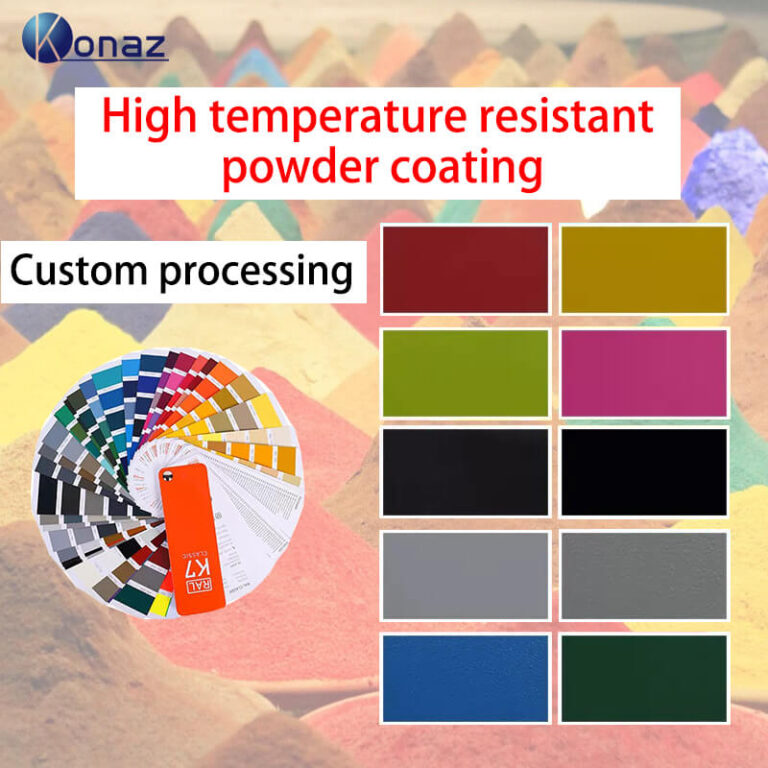
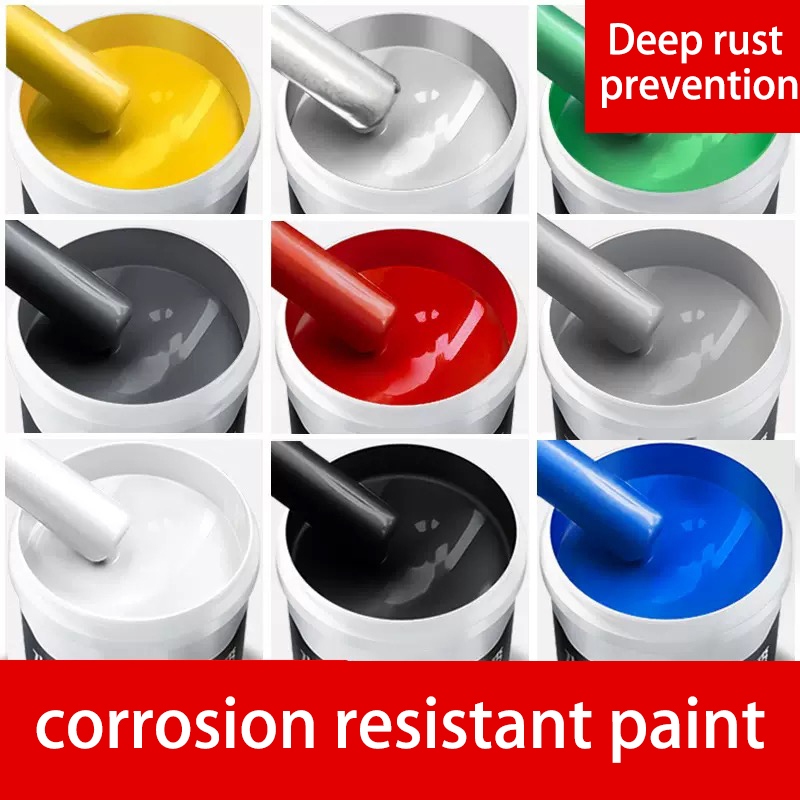
KONAZ Anti-Rust Paint comes in grey and red oxide. Buyers can also order custom colors. You can pick between matte and semi-gloss styles. These options give factory owners plenty of choices. They work perfectly when a project needs both strong defense and a great look.
How Should Manufacturers Build the Right Anti-Rust Coating System?
No single paint setup works for every industrial good. The ideal choice changes based on the base metal. It also depends on the rust risk and the painting method. The local climate and factory needs play big roles too.
What Corrosion Conditions Should Be Evaluated?
Buyers need to check a few facts before picking a paint. They must know what the finished metal part will deal with. This includes its time in storage and its active working life.
Key factors include these details:
- Indoor or outdoor exposure
- Rain and humidity
- Salt spray
- Marine environments
- Industrial pollution
- Chemical exposure
- Frequent washing
- Long-term outdoor storage
A machine might work inside a completely dry shop. It will need a specific type of paint setup. Meanwhile, a pipeline or a steel structure sits outside. These outdoor items will demand a totally different safety plan.
Some places have very harsh climates. In these rough spots, factory owners must talk with their paint supplier. They need to plan the whole coating setup together. Adding a thicker layer of paint is rarely the best fix.
Which Application Method Is More Suitable?
Workers can apply KONAZ Anti-Rust Paint in several ways. They can use a spray, brush, or roller.
Spraying is highly popular in busy factories. It covers tricky metal parts very fast. It also leaves a much smoother surface. Brushing works great for quick fixes or tiny spots. On the other hand, rolling is quite handy for large, flat, and easy-to-reach areas.
The top method relies on your daily output goals. The shape of the metal part matters too. You also need to look at your current tools and the visual quality you want.
How Do Coverage and Drying Time Affect Production?
Business buyers care about more than just paint quality. Paint usage and drying speeds are also huge factors. These details directly change the final costs and the daily factory output.
KONAZ Anti-Rust Paint covers about 6–8 m²/kg per coat in theory. Real-world usage will shift, though. It changes based on the metal’s roughness and the paint’s thickness. The chosen painting tool also alters the final spread.
The paint dries to the touch in roughly 2 hours at 25°C. It becomes fully hard in about 24 hours.
Factory managers must watch the room heat and airflow. They also need to check the dampness and paint thickness. These specific details change how fast the paint dries. Therefore, managers should keep them in mind when making daily plans.
Where Is Anti-Rust Paint Commonly Used?
Many business fields rely heavily on anti-rust coatings. They use these products whenever metal requires long-lasting safety.
Steel Structures
Outdoor steel structures face harsh weather and damp air daily. They absolutely need a tight paint grip and solid rust defense. A proper steel structure paint slows down rust growth. It also cuts down on future repair tasks.
Machinery and Equipment
Factory machines often deal with heavy oil, thick dust, and wet air. Workers also touch them constantly. A good anti-rust paint for machinery keeps the metal safe. It also helps the gear look neat and clean.
Pipelines and Tanks
Pipelines and storage tanks need non-stop surface safety. This is highly true for items placed outdoors or inside busy plants. Buyers must look at the local rust risks. They should also check if the paint matches the metal type.
Ships and Outdoor Metal Parts
Ocean areas are extremely harsh due to salty air and high dampness. A tough, rust-blocking paint is a must here. It keeps bare metal safe from early decay.
Why Choose KONAZ as an Anti-Rust Paint Supplier?
KONAZ supplies highly useful paints for industrial metal care. Its Anti-Rust Paint is made strictly for metal bases. It delivers a very tight grip. It also fights off water, salty air, oxidation, and general decay.
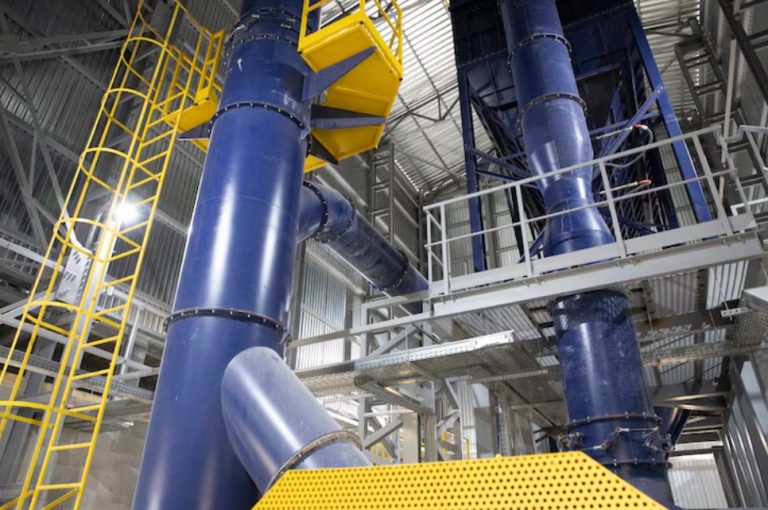
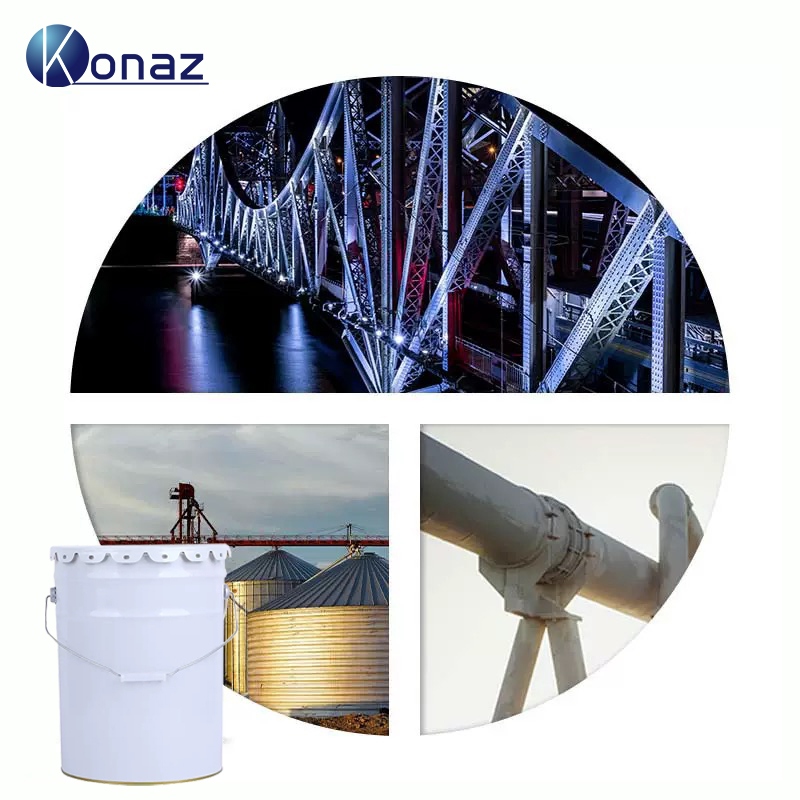
You can apply this product to steel structures, heavy machinery, and pipelines. It also works on tanks, ships, offshore rigs, and outdoor metal parts. Furthermore, it serves well as either a primer or a topcoat. This handy feature lets factory owners adjust their painting steps to meet distinct output goals.
This great flexibility helps business buyers a lot. It makes picking the right paint much simpler. At the same time, it ensures the metal stays totally safe.
Conclusion
Picking between an anti-rust primer and topcoat requires some thought. You must start by looking at the specific metal base. You also need to study the final working area.
A primer mostly focuses on a tight grip and early rust defense. Meanwhile, a topcoat adds extra weather safety and gives the final visual look. Certain items, like KONAZ Anti-Rust Paint, can easily do both jobs. It just depends on how you plan to use them.
Factory owners must check several details before buying in bulk. They should review the prep work, rust risks, and painting methods. They must also look at paint spread, drying speeds, and visual needs. A smartly chosen paint setup cuts down on rust issues. It lowers repair needs and extends the life of industrial metal goods.
FAQs
1. Can anti-rust paint be used as both primer and topcoat?
Yes, it certainly can. Certain industrial goods, like KONAZ Anti-Rust Paint, serve nicely as either a primer or a topcoat. The final choice depends entirely on the metal base, the local climate, and your specific paint needs.
2. How much area can KONAZ Anti-Rust Paint cover?
The stated coverage sits at roughly 6–8 m²/kg per coat. However, real-world paint usage will vary. It changes based on the metal’s surface state and your chosen painting tool.
3. What metal products can anti-rust paint be used on?
It works perfectly on steel structures, machinery, pipelines, and large tanks. You can also use it on ships, offshore gear, and many types of outdoor metal parts.