Black and silver rank among the top color choices for high temperature paint. You will spot them on fireplaces, stoves, BBQ grills, exhaust pipes, burners, and various heated metal parts. At first glance, picking between these two options might look like a basic style choice. In reality, manufacturers must evaluate several factors. These include operating temperature, color stability, and the underlying substrate. Thermal cycling, surface dirt, and overall product design matter just as much. Neither black nor silver stands out as universally superior. The ideal finish successfully blends visual appeal with real-world, high-temperature working environments.
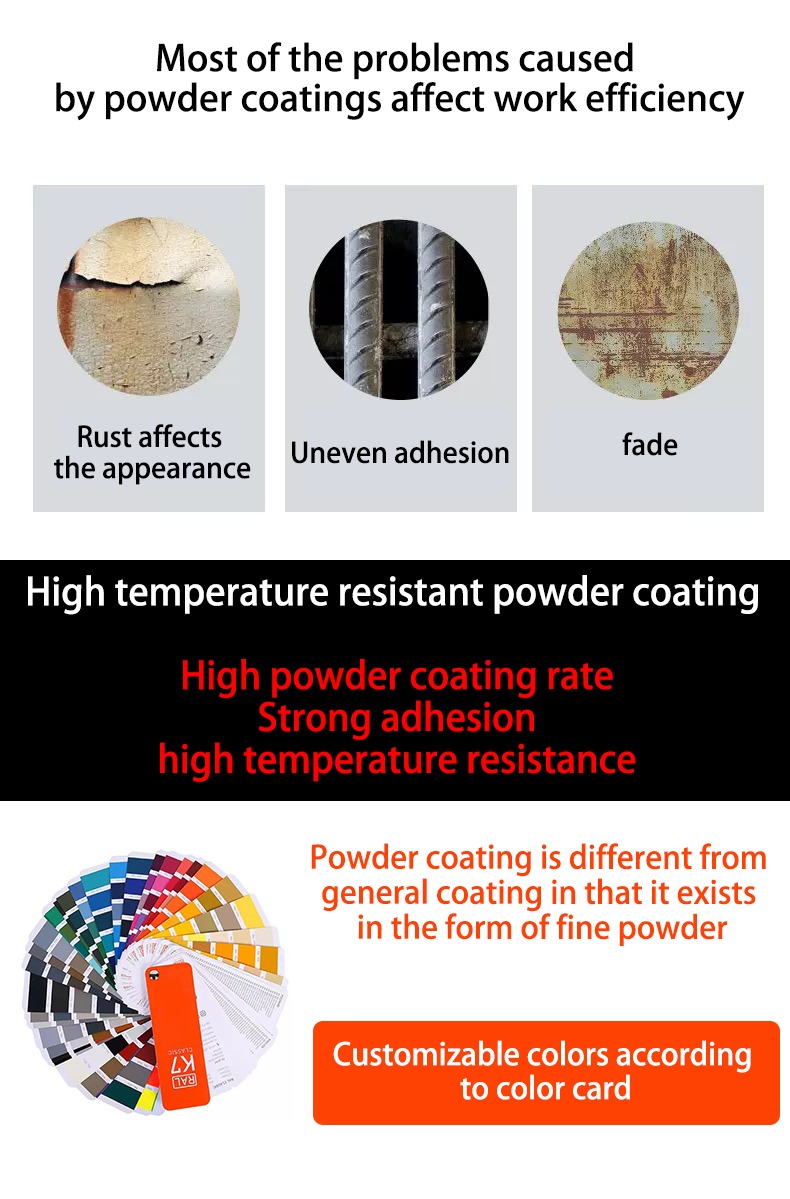
What Is the Main Difference Between Black and Silver High Temperature Paint?
Formulators can build both colors into effective heat-resistant coatings. However, buyers typically pick them to meet distinct visual and functional needs.
Manufacturers need to examine the final product’s setting. They should avoid picking a shade based solely on a small sample card.
Why Is Black High Temperature Paint So Common?
Builders frequently apply black to fireplaces, heating stoves, BBQ grills, burners, and exhaust parts.
Its highly practical look drives this popularity. Soot, smoke stains, and minor carbon buildups blend in easily. Everyday surface grime stays far less visible on a dark coating compared to lighter shades. Matte or low-gloss black delivers a rugged, industrial vibe. Many buyers expect this tough style on heating gear.
Therefore, black performs exceptionally well for achieving a neat, uniform surface. It hides tiny signs of daily wear effectively.
Still, a dark shade never guarantees strong heat resistance on its own. Buyers must always verify the actual coating formula. They need to ensure it handles 200°C, 400°C, 600°C, 800°C, or any other target temperature.
Why Do Manufacturers Choose Silver High Temperature Paint?
Silver frequently wins out when an item requires a bright, metallic look.
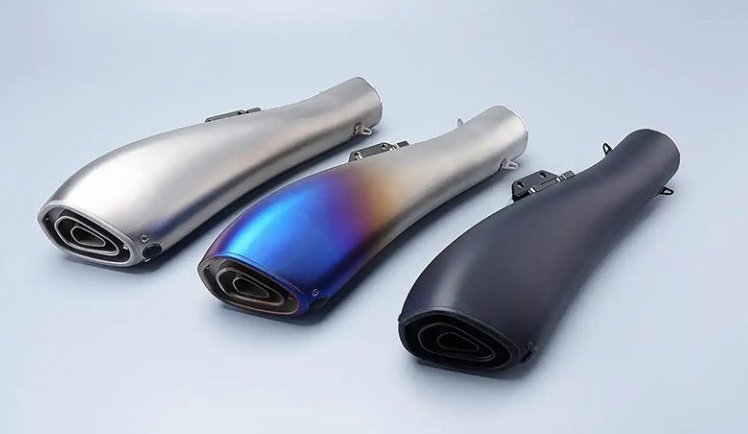
It works beautifully on exhaust pipes, mufflers, metal tubing, and heating elements. Certain industrial machines also benefit from this style. In these cases, a metallic surface complements the overall design much better than a dark one.
Silver high-temperature coatings rely on heat-stable metallic pigments. Yet, their true thermal limit relies entirely on the whole chemical mixture. Because of this, producers must verify the exact temperature rating. They should never assume all silver paints share identical heat limits.
Which Color Is Better for Different High-Temperature Products?
The optimal color usually reveals itself once you analyze the specific end use.
Fireplaces, exhaust systems, and grills face unique challenges. They deal with varying levels of heat, dirt, and weather exposure. They also carry distinct visual expectations.
Which Is Better for Fireplaces and Stoves?
Black stands as the standard pick for fireplaces and stoves.
Classic wood stoves, fireplace bodies, fireboxes, and stove doors rely heavily on it. This dark tone matches traditional style expectations. It also does a great job at masking soot.
For these items, thermal endurance matters far more than the visual shade. Various sections of a fireplace hit completely different heat levels. An outer shell might stay relatively cool. Meanwhile, a firebox or a piece near the open flame gets intensely hot.
Because of this variation, builders must identify the maximum surface temperature before selecting any coating.
Silver remains a valid option if the design demands a metal-like vibe. However, conducting a sample test is highly recommended prior to full-scale production.
Which Is Better for Exhaust Pipes?
Both black and silver high temperature paint for exhaust pipes offer solid solutions.
Black yields a deep, consistent look. It successfully hides road grime and scorch marks. This trait makes it very popular for motorcycle exhausts. It also suits other parts where dark styling fits the vehicle’s theme.
Silver proves valuable when a brand wishes to keep a shiny, raw-metal aesthetic.
For exhaust components, though, thermal cycling poses a massive challenge. The metal heats up rapidly during engine operation. It then cools down quickly after shutdown. Moisture, rust, constant vibration, and outdoor weather add extra strain to the paint layer.
Due to these harsh conditions, purchasers must focus on thermal limits first. Strong adhesion and overall stability are crucial. Only after confirming these traits should they compare color options.
Which Is Better for BBQ Grills?
Makers frequently pick black for BBQ grill bodies. It perfectly aligns with the standard look of outdoor cooking gear.
Smoke stains and grease splatters fade into the dark background. This advantage helps the grill look tidy throughout regular backyard use.
Silver works well on specific frames, tubes, and outer parts. It also highlights decorative metal sections when a bright contrast is necessary.
Producers need to map out the hot zones versus the purely decorative areas. Temperatures near a burner, firebox, or charcoal tray climb extremely high. In contrast, an external leg or side panel stays much cooler.
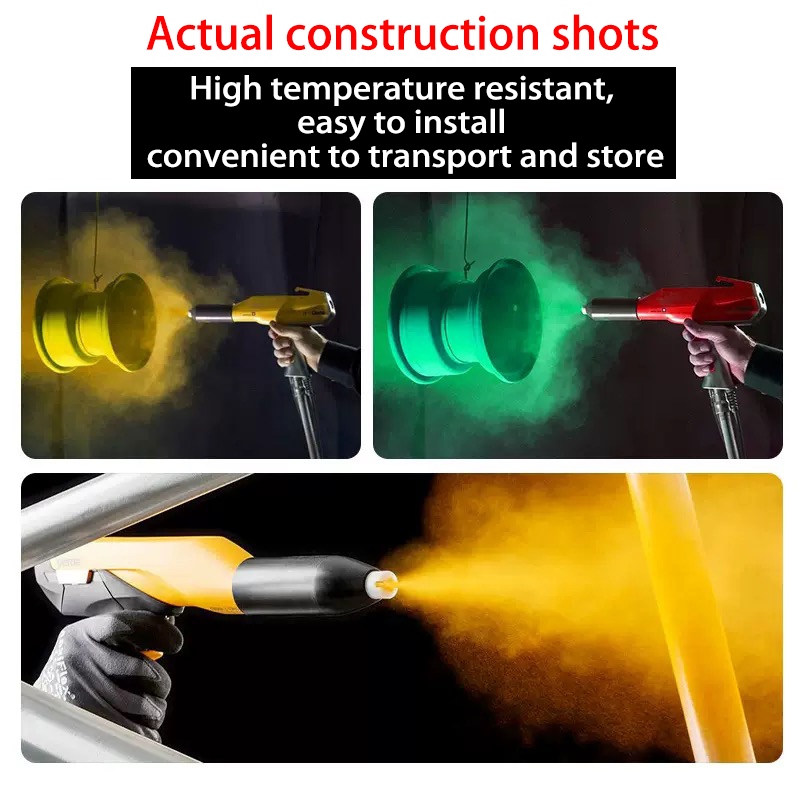
Does Paint Color Determine High-Temperature Resistance?
No, it does not. The visual shade represents just one small piece of the entire system.
Genuine heat resistance stems from the base resin and stable pigments. Fillers, the curing method, film thickness, and the total chemical blend drive the actual performance.
KONAZ heat-resistant coating materials handle applications ranging from roughly 200°C to 800°C. The exact limit relies on the specific formula and the daily operating environment.
Why Does Color Stability Become More Important at Higher Temperatures?
Not all pigments survive extreme heat without changing.
As the heat level climbs, the list of viable color choices shrinks. Certain shades might fade, turn dark, or lose their shine. They can shift in tone entirely, even while the paint stays firmly glued to the metal.
This issue matters greatly to manufacturers. A technically sound paint job might still trigger buyer complaints if the item looks ugly after one use.
Therefore, choosing a high-temperature shade demands a careful balance. Buyers must evaluate both film performance and color stability together.
How Should Manufacturers Test Black and Silver High Temperature Paint?
A simple paper color card fails to show how a finish reacts to constant heat.
For B2B manufacturers, a hands-on trial works best. They should test the liquid on the exact metal planned for the assembly line.
What Should Be Included in a Sample Heat Test?
The trial panel or prototype part needs to match real-world plans. It must feature the exact metal, surface prep, and paint thickness. The factory curing method should also be identical.
Instead of running a single heat test, engineers must run multiple cycles. They need to simulate repeated heating and cooling phases.
After finishing the trials, closely inspect the surface for:
- Discoloration
- Peeling
- Blistering
- Cracking
- Chalking
- Adhesion loss
This structured method allows buyers to compare black and silver options accurately. It bases the final choice on factory reality rather than just looks.
Why Is Surface Preparation Still Important?
Even the best heat-resistant product will fail if sprayed poorly. Applying it over oil, rust, water, or loose dust invites disaster.
KONAZ application guidance strongly advises thorough cleaning. Workers should grind the metal prior to painting to reveal a fresh, bare surface.
Operators must spray the liquid in a controlled, thin film. They should strictly avoid laying down thick, heavy coats. Proper oven curing holds equal importance. It locks in the stable, high-temperature traits needed for long-term success.
Why Choose KONAZ as a High Temperature Paint Supplier?
KONAZ has dedicated roughly 15 years to high-temperature coating research and manufacturing.
Factories apply its heat-resistant liquids to fireplaces, BBQ grills, and exhaust pipes. Stove parts and various hot metal goods also rely on them. The brand offers different formulas to meet specific needs. These liquids can endure extreme conditions up to approximately 800°C.
Furthermore, KONAZ provides strong technical backing. The team helps clients with color choices and metal prep. They offer clear advice on spraying, curing, and general application steps long before mass production begins.
Conclusion
Picking between black and silver high temperature paint requires careful thought. Buyers should never base the choice solely on looks.
Black serves as a highly practical solution for fireplaces, stoves, grills, and exhausts. It delivers a classic industrial vibe. It also hides soot and dirt exceptionally well. Conversely, silver shines when a raw metallic style is necessary. It beautifully complements exhaust pipes, metal tubing, and heavy industrial machinery.
For either shade, factory teams must verify a few core details first. They need to check the exact operating temperature and color stability. Substrate compatibility, thorough surface prep, and correct film thickness are vital. Curing rules must be followed strictly. Running a trial under true heating and cooling stresses is a smart move. Doing this before full production drastically cuts the risk of fading, peeling, and expensive factory rework.
FAQs
1. Is black high temperature paint better than silver?
Not always. Black and silver cater to distinct visual targets and practical needs. The superior choice relies heavily on the peak operating temperature. The overall product design, the base metal type, and the exact chemical formula also dictate the winner.
2. Can silver high temperature paint be used on exhaust pipes?
Yes, it certainly can. However, the chosen silver liquid must handle the true peak exhaust heat. Workers must also apply and bake it exactly as the supplier directs.
3. Does the color of high temperature paint affect its temperature rating?
The visual hue alone never dictates the heat limit. The core resin, the specific pigments, and the total formula drive the strength. Film thickness and the factory baking steps also play major roles in long-term thermal success.