Drying time plays a major role in the overall efficiency of any industrial coating line. Workers might apply a new layer of anti-rust paint too early. They might also move the part before it gains enough hardness. Sometimes, teams pack items while the surface remains soft. When these mistakes happen, manufacturers often deal with ugly marks, stuck parts, ruined finishes, or costly rework. On the other hand, waiting too long will delay your daily production. Buyers deal with steel structures, heavy machinery, pipelines, storage tanks, and various fabricated metal components. Therefore, they need to clearly separate the concepts of touch dry, hard dry, recoating, handling, and shipping. You should never rely on just one basic drying-time number.
What Do Touch Dry and Hard Dry Actually Mean?
A fresh coating never changes instantly from wet to perfectly ready for heavy use.
Various drying stages explain the current progress of the paint film. They also tell you what actions are safe for that specific coated component.
What Does Touch Dry Mean?
Touch dry simply means the top surface has dried just enough. At this point, light physical contact no longer feels wet or sticky.
For KONAZ Anti-Rust Paint, the official touch-dry time is approximately 2 hours at 25°C. This assumes standard reference application conditions.
This detail helps managers with daily production planning. However, touch dry never means the part is completely ready. You must avoid stacking, heavy handling, tight packaging, or tough service at this early stage.
The outer surface might feel completely dry. Meanwhile, the deeper layers of the coating film are still slowly building true hardness.
What Does Hard Dry Mean?
Hard dry points to a much later stage in the curing process. By this time, the paint film has gained a much higher level of solid hardness.
For KONAZ Anti-Rust Paint, the standard hard-dry time is approximately 24 hours at 25°C.
Factory managers usually find this metric highly valuable. It offers a much better guide for planning safe handling than the basic touch-dry time.
Real-world drying speeds will still vary. The final results depend heavily on room temperature, local ventilation, and air humidity. Furthermore, film thickness, your chosen application method, and the initial surface condition play major roles.
When Can Anti-Rust Paint Be Recoated?
Recoating timing becomes crucial when you use anti-rust paint as a base primer. It also matters greatly when your project demands multiple protective layers.
The initial coat must always reach the exact condition recommended for your specific coating system. You must achieve this state before you apply any new layer.
Does Touch Dry Mean the Paint Is Ready for Recoating?
This is not automatically true.
A fresh layer might feel dry on the outside. Despite this, trapped solvents and other active components often stay hidden deep inside the film.
The official KONAZ product information lists roughly 2 hours for touch dry. It also shows 24 hours for hard dry. However, it never provides one single recoat schedule for every possible paint system.
Manufacturers must carefully check the correct recoat window. They need to base this on the actual product, the specific metal substrate, and the applied film thickness. The chosen topcoat also affects this timing.
This step proves especially vital. It matters most when the base anti-rust coating acts as a primer beneath a totally different type of top finish.
What Can Happen If a Second Coat Is Applied Too Early?
Adding a second coat too soon will disrupt the natural drying process of the bottom layer.
This mistake leads to several known defects, depending on your chosen coating system. You might see a very soft film, a rough surface, or much slower curing times. Sometimes, severe bonding problems happen between the different layers.
Putting on an extra thick layer of paint will naturally increase the total waiting time.
Factory teams often handle large, repeated production runs. Therefore, they must build a strict coating and recoat standard during the initial sample stage. They should never let factory operators guess the timing merely by touching the surface.
When Can Painted Metal Parts Be Handled?
Safe handling readiness relies on more than just the elapsed drying time. You must also consider the physical size, total weight, and unique shape of the metal part. The final visual requirements matter too.
A massive steel beam creates huge stress. In contrast, a tiny machine part places very little pressure on a freshly painted surface.
Can Metal Parts Be Moved After Two Hours?
The standard 2-hour touch-dry mark serves as a basic guide. However, you must never view it as a green light for normal factory handling.
Factory hooks, storage racks, worker gloves, and metal clamps will easily damage the finish. Spacers and sharp contact points can leave deep marks. The film might feel dry, but it lacks true structural hardness.
Sometimes, companies use the anti-rust paint as the final visible topcoat. In these cases, even tiny scratches or slight pressure marks will ruin the look of the finished product.
Many busy production lines force parts to move quickly between different stations. To solve this, factories must use special holding fixtures. They should also select racks that barely touch the newly coated areas.
Is Hard Dry a Better Reference for Handling?
Yes, it certainly is. The 24-hour hard-dry milestone shows significant progress. The paint has cured much deeper than it did during the early touch-dry phase.
Because of this extra strength, it becomes a much safer baseline. Managers use it to plan normal, routine handling tasks.
Nevertheless, production teams must carefully check the real conditions on the floor. Heavy metal items and thicker paint layers slow things down. Cold weather and bad airflow also delay the moment a surface becomes truly safe for handling.
When Can Anti-Rust Painted Parts Be Packed and Shipped?
Packing and shipping processes create intense stress. They put far more pressure on a fresh coating than simple daily factory movement.
Workers often wrap, strap, and stack these metal parts tightly. The items might stay trapped inside dark containers for many weeks during long transport.
Why Can Packing Too Early Cause Problems?
The paint film might still hold some inner softness. If so, tight packaging materials will press hard and leave permanent ugly shapes on the metal surface.
Stacked metal pieces will easily glue themselves together. Meanwhile, heavy straps, protective foam, plastic separators, and rough cardboard cause deep pressure marks. Furthermore, tightly closed boxes block fresh air. This lack of wind harms a coating that has not yet reached full stability.
This detail remains highly critical for long export shipments. The fresh paint might look perfectly fine during the packing stage. However, terrible damage often appears when the overseas buyer finally opens the shipping container.
Is 24 Hours Always Enough Before Shipping?
This is not always true.
The basic 24-hour hard-dry value gives a very helpful baseline. Despite this, managers must never treat it as a perfect, universal rule for shipping approval.
Smart manufacturers look at many other details. They evaluate the total part weight and the intense stacking pressure. They also check the chosen packing supplies and the exact paint thickness. Finally, they review the local room climate and the harsh expected travel conditions.
A giant steel column sitting on wooden blocks needs one specific packing method. Conversely, tiny metal bolts tossed together inside a cardboard box require a totally different approach.
Many factories handle identical, repeated client orders. For these jobs, they can build a strict internal shipping rule. They base this custom rule on real, documented factory tests.
What Factors Can Make Anti-Rust Paint Dry More Slowly?
Laboratories measure technical drying data under very strict, controlled conditions. However, actual busy factories and outdoor jobsites experience wild daily changes.
A few everyday environmental factors will easily change the curing speed. They decide exactly how fast an anti-rust coating builds true hardness.
How Do Temperature and Ventilation Affect Drying?
The official KONAZ drying data relies on a standard room temperature of roughly 25°C.
Cold weather naturally slows down the curing process. At the same time, weak airflow stops trapped solvents from escaping the wet film. High air moisture also damages the overall drying cycle. This impact depends heavily on your exact paint type and the local workspace climate.
Because of these weather shifts, factory owners must stay flexible. They should never assume that one single drying schedule will work perfectly during every season of the year.
Does Coating Thickness Affect Drying?
Yes, it certainly does.
A thick, heavy layer of paint always demands extra waiting time. A thin, controlled coat dries much faster. This clear difference explains why steady, even spraying remains so vital in modern factory work.
Workers can easily apply KONAZ Anti-Rust Paint using a standard spray gun, a hand brush, or a simple roller. It offers a solid theoretical coverage rate of about 6–8 m²/kg per coat.
Keeping a very steady application style brings great benefits. It makes your daily paint usage highly predictable. It also keeps your average drying times perfectly stable.
How Can Factories Improve Drying-Time Control?
Smart manufacturers stop guessing by merely watching the clock. Instead, they build a highly reliable and repeatable daily production standard.
What Should Be Recorded During Production?
Floor managers can easily write down the exact application time. They should also log the room temperature and the specific spraying method. Furthermore, they must track the wet film condition, the first touch-dry results, and the final handling approval hour.
Sometimes, a team switches from a spray gun to a hand brush. This change makes the paint layer much thicker. Also, summer heat might turn into winter cold. Whenever these shifts happen, managers must quickly review and adjust the old drying schedule.
These basic written logs provide immense value. They greatly lower the quality differences between random paint batches. Ultimately, they make daily factory planning much more stable.
Why Choose KONAZ as an Anti-Rust Paint Supplier?
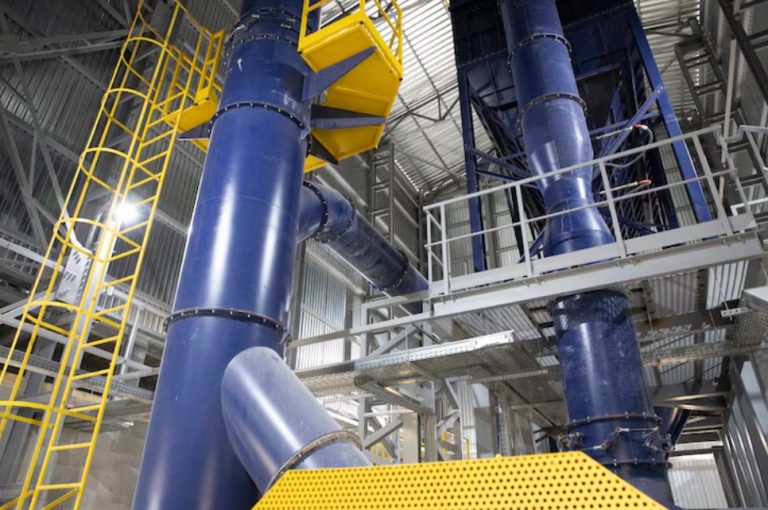
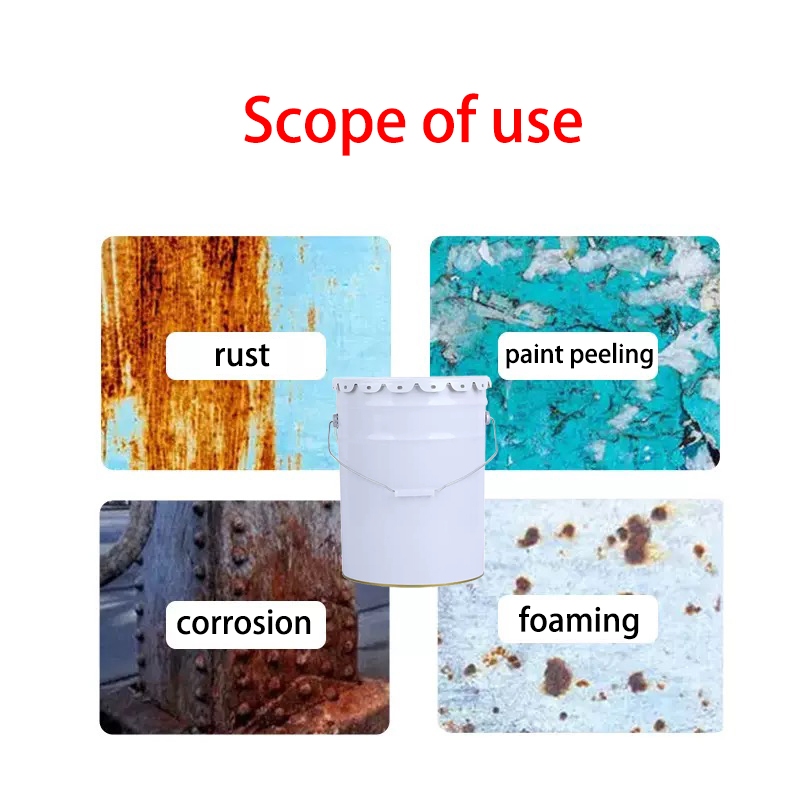
KONAZ Anti-Rust Paint features a special formula designed strictly for tough metal substrates. It works beautifully on heavy steel structures, factory machinery, and long pipelines. It also protects storage tanks, large ships, offshore drilling equipment, and various outdoor metal components.
This product delivers incredible surface adhesion. It offers extreme corrosion defense against heavy moisture, harsh salt spray, and daily air oxidation. Teams can apply this tough coating using a spray system, a brush, or a standard roller. Furthermore, it functions perfectly as a base primer. It can also serve as a beautiful topcoat, depending on your specific project needs.
KONAZ offers great support for serious industrial buyers. The company provides expert application advice. This helps clients balance maximum paint performance with excellent daily production speed.
Conclusion
A layer of anti-rust paint never reaches perfect readiness for recoating, factory handling, tight packing, and final shipping all at the exact same second.
When using KONAZ Anti-Rust Paint, you can expect roughly 2 hours at 25°C as your basic touch-dry milestone. Meanwhile, the official hard-dry target sits at approximately 24 hours.
These time estimates help greatly with early schedule planning. However, factory leaders must also look at room temperature and local air flow. They need to evaluate the wet film thickness and the chosen painting tool. Finally, they must consider the metal part’s unique shape, the heavy packing pressure, and the exact paint system in use.
Building a strictly tested drying and approval process brings huge rewards. It helps busy manufacturers prevent ugly surface damage. It also eliminates costly rework and stops frustrating shipping delays.
FAQs
1. How long does KONAZ Anti-Rust Paint take to dry?
When the room sits at roughly 25°C, the official touch-dry mark hits at about 2 hours. The much firmer hard-dry stage requires around 24 hours.
2. Can anti-rust paint be recoated after two hours?
This is not a strict rule. Reaching the touch-dry phase never automatically means the surface is ready for a new coat. You must always verify the exact recoat schedule. Base this check on your specific paint system and the actual room climate.
3. Can painted metal parts be shipped after 24 hours?
The standard 24-hour hard-dry number acts as a great planning tool. However, true shipping approval depends on several other factors. You must check the actual surface hardness and the total paint thickness. The chosen packing style, the heavy stacking weight, and the local weather conditions also matter greatly.