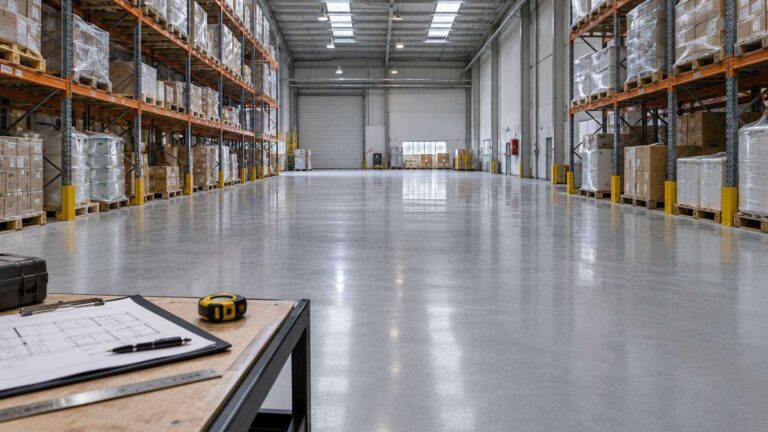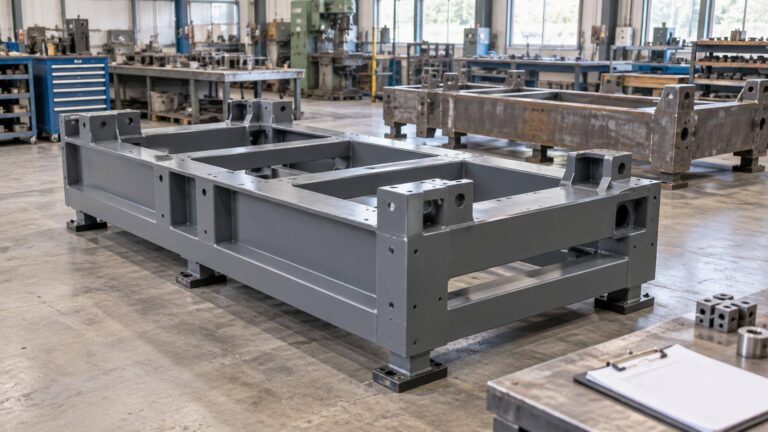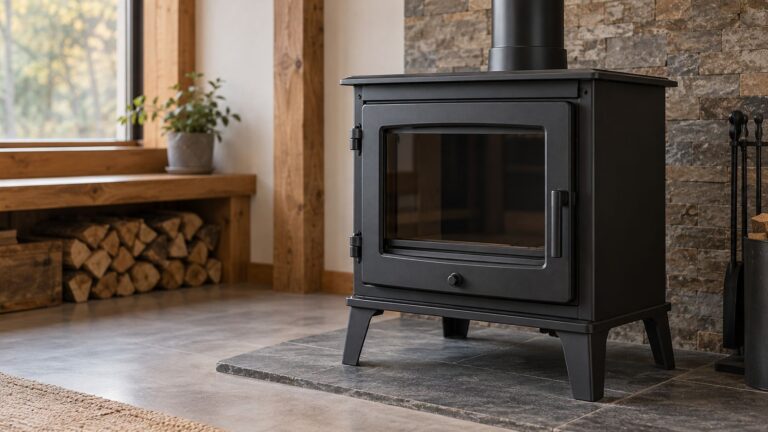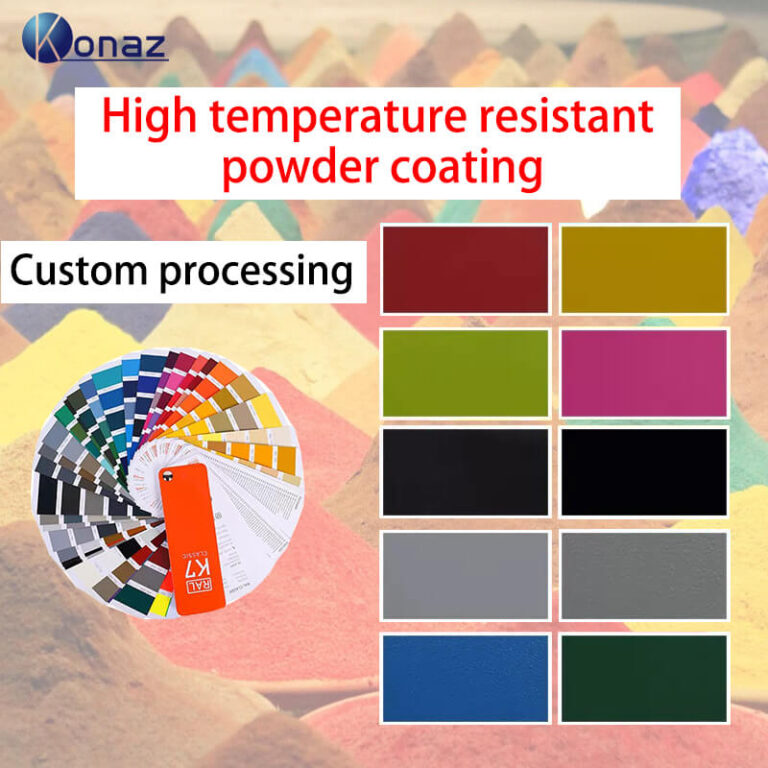
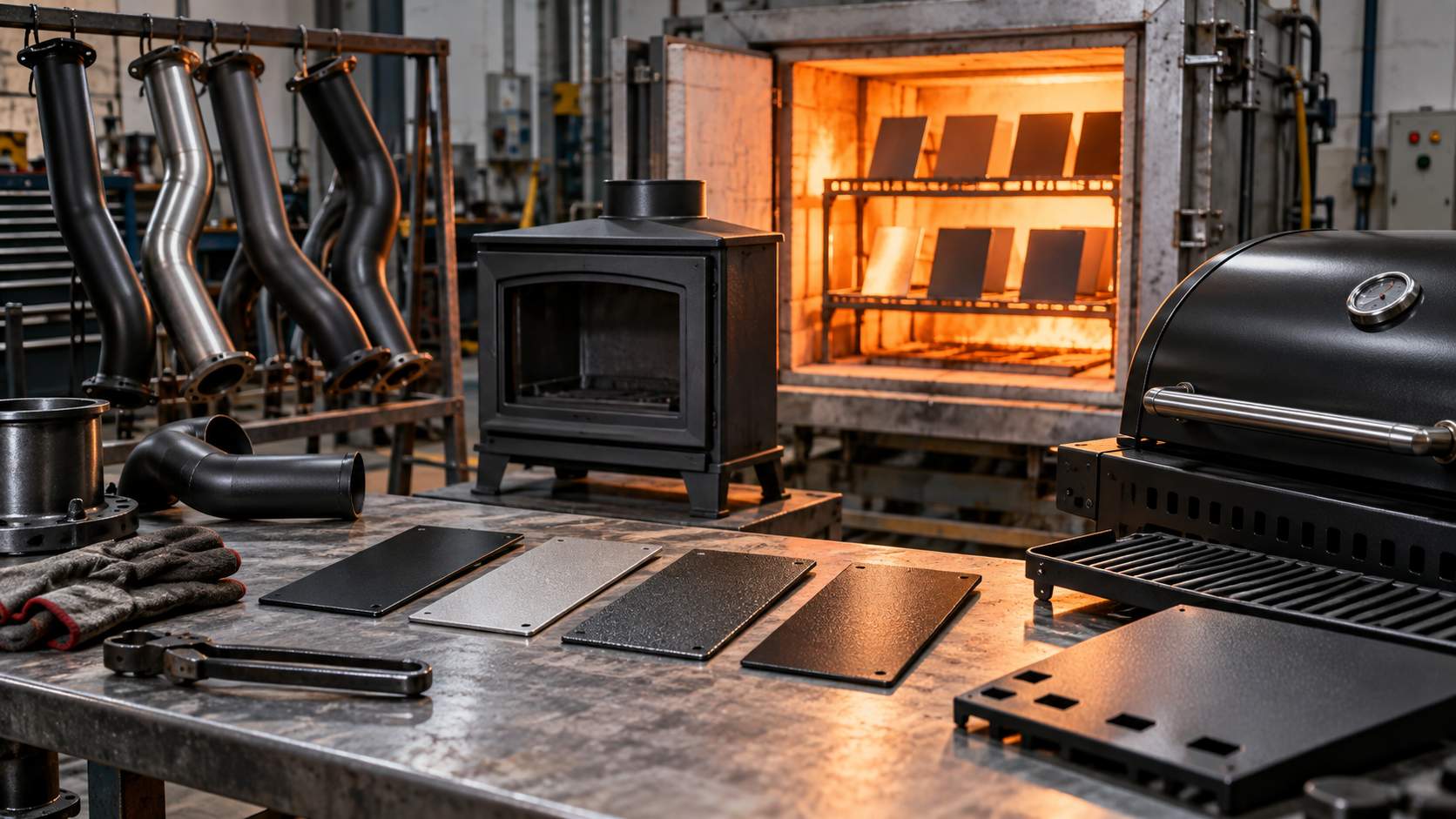
High-temperature paint might seem fine after just one test. However, repeated heating and cooling often uncovers hidden flaws. These problems do not always show up right away. Metal expands when it gets hot. Then, it shrinks as it cools down. The applied coating has to stay firmly attached during every single cycle. OEM buyers often source coatings for fireplaces, exhaust components, BBQ grills, and stove parts. For these heat-exposed products, thermal cycling provides a much better view of actual performance compared to a basic temperature claim. The main issue is not just reaching a specific heat level. Instead, buyers must know if the whole coating system stays completely intact after ongoing thermal stress.
Why Does Thermal Cycling Matter for High-Temperature Paint?
A high-temperature coating functions alongside the metal substrate. It also depends on surface preparation, film thickness, and the curing process. If any single part of this setup is flawed, frequent temperature shifts will quickly reveal the weakness.
What Happens During Heating and Cooling?
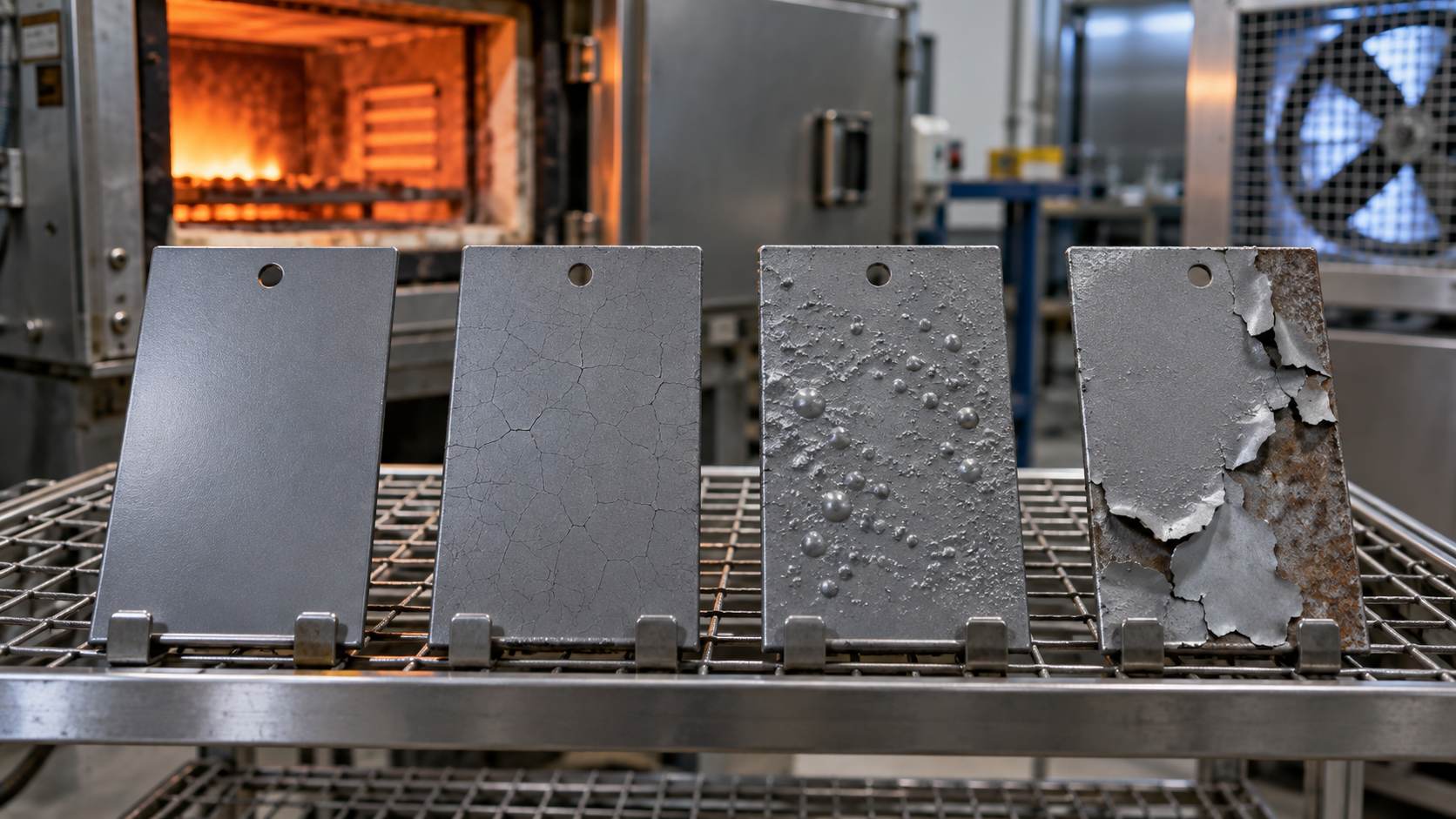
Metal changes size slightly as it warms up and cools down. These minor shifts put constant strain on the finish. Several factors can cause trouble. These include weak adhesion, trapped solvents, overly thick films, or improper curing. Over time, such issues often cause cracking, blistering, peeling, or noticeable color shifts.
The ASTM D6944 standard exists to test cured coatings. It checks how well coating systems handle repeated thermal cycling. This method looks at specific physical changes. It monitors adhesion loss, checking, cracking, and blistering. However, this test does not provide an exact lifespan guarantee for the product.
Why Is One High-Temperature Exposure Not Enough?
A finish might easily pass a single short heat test. Yet, it could still break down after multiple cycles. Fireplaces cool off completely between fires. Exhaust systems heat up and cool down during every trip. Similarly, BBQ grills constantly shift from normal outdoor weather to intense cooking heat.
Because of this, OEM buyers need to check how the material performs over many cycles. They should not rely solely on the maximum temperature listed on a data sheet.
How Should OEM Buyers Plan a Thermal Cycling Test?
An effective test must mimic the actual product very closely. Flat test panels are certainly easy to use. However, they might hide real-world issues. Problems often start near welds, bends, or sharp edges. Uneven heating and thick paint buildup also cause unique failures.
Which Test Conditions Should Be Defined?
Buyers and suppliers must agree on several details before starting any tests. They need to define the exact substrate and the surface preparation method. They also must set the coating thickness and the curing routine. Finally, both sides should establish the high and low temperatures, heating duration, cooling style, and total cycle count.
The chosen temperature range needs to match real-life conditions. A part might normally run at 450°C. Sometimes, it might spike to 650°C for a short time. In this case, the test plan must include continuous and peak exposure. Any contact with direct flames must be noted separately.
KONAZ high-temperature coatings protect various heat-exposed metal products. These solutions can handle applications up to roughly 800°C. The exact limit depends on the specific formula and the working environment. Even so, buyers must always test the chosen product using their own specific heating patterns.
Why Should Real Production Parts Be Tested?
Real manufactured items usually feature varying metal thicknesses. They also have welds, sharp corners, tubes, and mounting brackets. Because of these shapes, different sections will warm up and cool off at totally different speeds.
Testing actual production parts is very helpful. It shows if the finish remains secure around edges and joint welds. It also reveals if the standard factory spraying process causes overly thin spots or heavy buildup.
What Defects Should Buyers Check After Thermal Cycling?
A thermal cycling test only provides real value if the rules are clear. The buyer must define exactly what a failure looks like before the work begins.
Which Surface Defects Matter Most?
You should inspect the item carefully after specific cycle intervals. Always use consistent and bright lighting for this step. Watch closely for peeling, cracking, blistering, or chalking. Also, check for any visible lifting or strange color shifts.
Visual appearance remains important even if the paint stays firmly attached. A finish on a fireplace or an exhaust pipe might not peel off at all. However, the result is still bad if the color fades deeply after constant heating.
Should Adhesion Be Checked After Cycling?
Yes, this step is very important. It matters most when you are comparing different formulas, cleaning methods, or baking schedules. Early adhesion test results do not always predict future success. They cannot show how the material handles ongoing heat stress.
Testers must use the exact same adhesion checking method before and after the cycles. This practice ensures that all final results can be compared accurately.
How Do Surface Preparation and Film Thickness Affect the Result?
Thermal cycling checks more than just the basic chemistry of the paint. Bad surface cleaning can easily ruin a good product. Inconsistent spraying will also cause a perfectly fine coating to fail.
Why Does Surface Preparation Matter?
Leftover oil, rust, and moisture will harm the final finish. Loose metal scale and dirt also weaken the critical bond between the paint and the substrate. These dirty spots face huge stress during repeated heating and cooling phases. Eventually, they often turn into the main starting points for major peeling.
KONAZ offers clear guidance for these situations. They recommend cleaning the metal completely. Workers should then apply a controlled, thin film rather than a very heavy layer. For their specific liquid high-temperature coating system, one baking option requires about 280°C for 15 minutes. If a curing oven is not available, users can let the parts dry naturally for roughly 24 hours instead.
Why Can Excessive Film Thickness Cause Problems?
A very thick layer of paint often dries in an uneven way. This extra bulk creates much more internal stress when the part gets hot. Because of this risk, test samples must always feature the exact same film thickness planned for regular factory production.
What Should Be Included in the OEM Approval Process?
Thermal cycling needs to be a core step in a reliable approval process. It should never be treated as just a single, quick demonstration.
How Can Buyers Set Acceptance Criteria?
The official purchasing document must clearly list the required substrate and the exact cleaning method. It should also state the target film thickness and the curing schedule. Furthermore, the file must define the thermal cycle rules, the specific inspection times, and all acceptable defects. If adhesion is checked before and after the trial, the exact testing method must be written down. The minimum passing score must also be included in this specification.
Keeping physical reference samples is a very smart idea. Saving old batch records is also highly recommended. These simple steps make future quality comparisons much easier for everyone involved.
Why Choose KONAZ as a High-Temperature Coating Supplier?
KONAZ delivers reliable functional coatings for many items. These include exhaust components, fireplaces, BBQ grills, stoves, and various high-temperature metal goods. Their product lineup strongly focuses on pure heat resistance and solid adhesion. They also prioritize long-term color stability and overall metal protection. For custom OEM projects, buyers have the chance to discuss all key details first. They can review the substrate type, normal operating temperatures, and surface cleaning needs. Teams can also plan the film thickness and the curing steps long before sample approval or mass manufacturing begins.
Conclusion
A proper thermal cycling test offers OEM buyers a highly realistic view of paint performance. It works much better than just a single heat exposure. The best testing program closely copies the actual substrate and the target film thickness. It also matches the factory curing method, the real temperature range, and the normal heating pattern of the final item. Buyers need to watch for peeling, cracking, and blistering. They must also check for color fading and adhesion loss after many cycles. Setting clear acceptance rules before starting is absolutely vital. Thermal cycling works best when paired with strict surface cleaning and strong production controls. Together, these steps create a highly practical tool. They help companies reduce major coating failures long before mass production starts.
FAQs
1. How many thermal cycles should high-temperature paint pass?
There is no single magic number for cycle counts. Every buyer needs to design a custom testing program. This plan must reflect the actual product usage, the potential risk levels, and specific customer demands.
2. Does passing an 800°C test mean the coating will pass thermal cycling?
No, it does not. A specific coating might easily survive one intense high-temperature event. However, it could still fall apart after constant heating and cooling phases.
3. Should adhesion be tested after thermal cycling?
Yes, you should test it if the project demands strict quality control. Applying the exact same testing method before and after the cycles is crucial. This approach makes the final data comparison much more accurate and useful.