“Engine paint” is a surprisingly incomplete description for a purchase order. The supplier could picture an outer cover while the buyer has an exhaust bracket in mind. Put a drawing into an enquiry for high temperature engine paint and that ambiguity starts to disappear. This guide deals with external metal parts, well before anyone compares prices per kilogram.
Which part needs the paint?
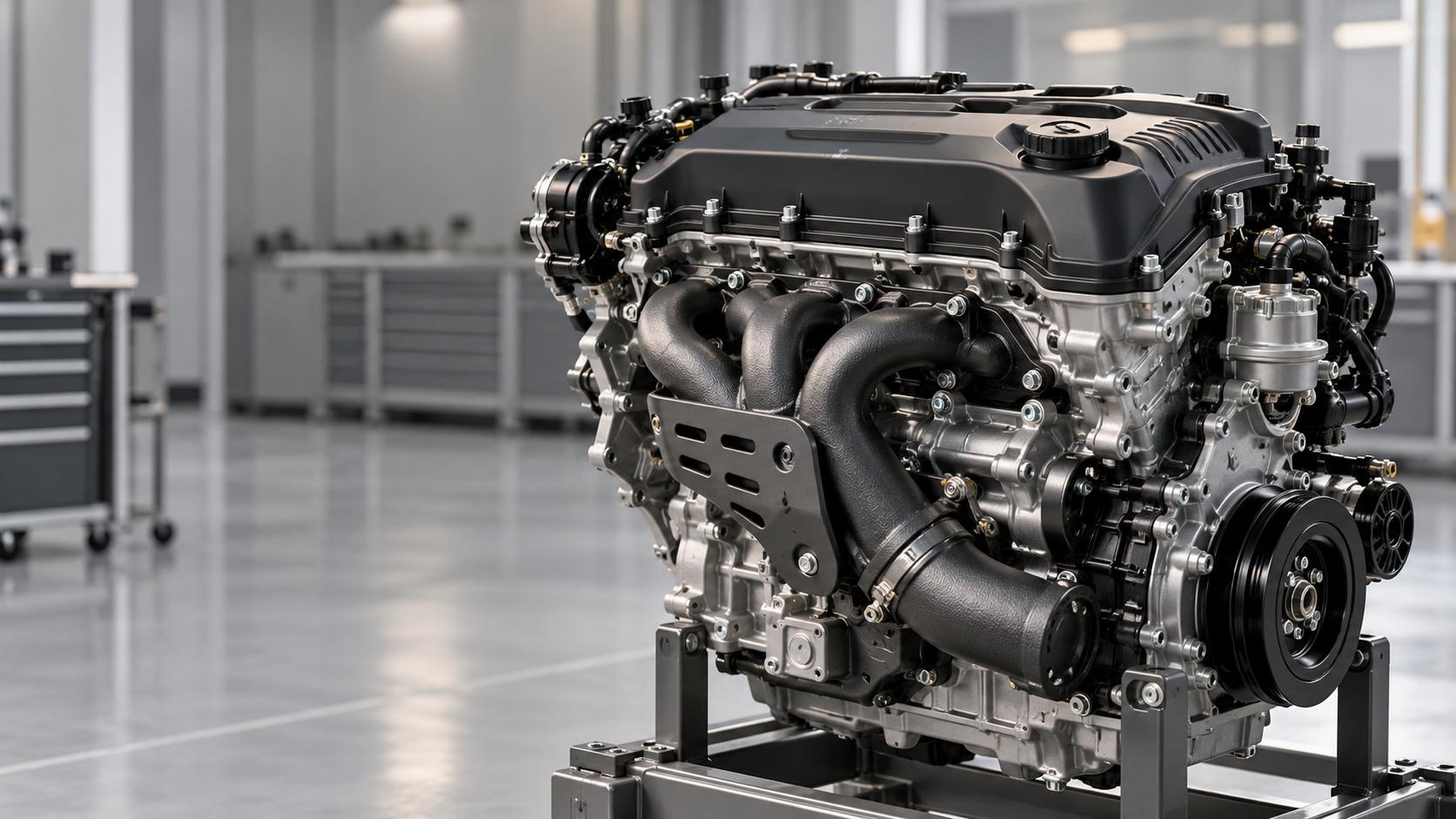
Name the component on the enquiry. Include its metal, a photograph, and the areas that will be coated. “External engine bracket, drawing attached” tells the supplier more than “heat-resistant black paint.”
KONAZ’s Heat Resistant Coatings page includes engines and exhaust pipes among its applications. That makes the range relevant to an engine-parts enquiry. It doesn’t settle the suitability of a particular formula for the part on your desk.
Where should the coating stop?
Gasket seats, threads and contact faces deserve attention before spraying begins. If a face must remain uncoated, show it on the masking drawing. Then check the sample against that drawing. A tidy-looking cover is of little use if paint has reached a surface that must seal against another component.
Also tell the supplier when coating happens. A bare part sent for painting before assembly presents a different practical job from a repair on an assembled engine.
Does the temperature figure describe your part?
The number to obtain is the temperature at the painted metal surface. An exhaust-gas reading isn’t a substitute. A temperature entry without its measurement location leaves the coating supplier guessing.
Label the location on a photograph and add the running condition beside the reading. Keep the usual range separate from a brief peak. Show which painted area reaches the highest temperature, even when most of the component stays cooler.
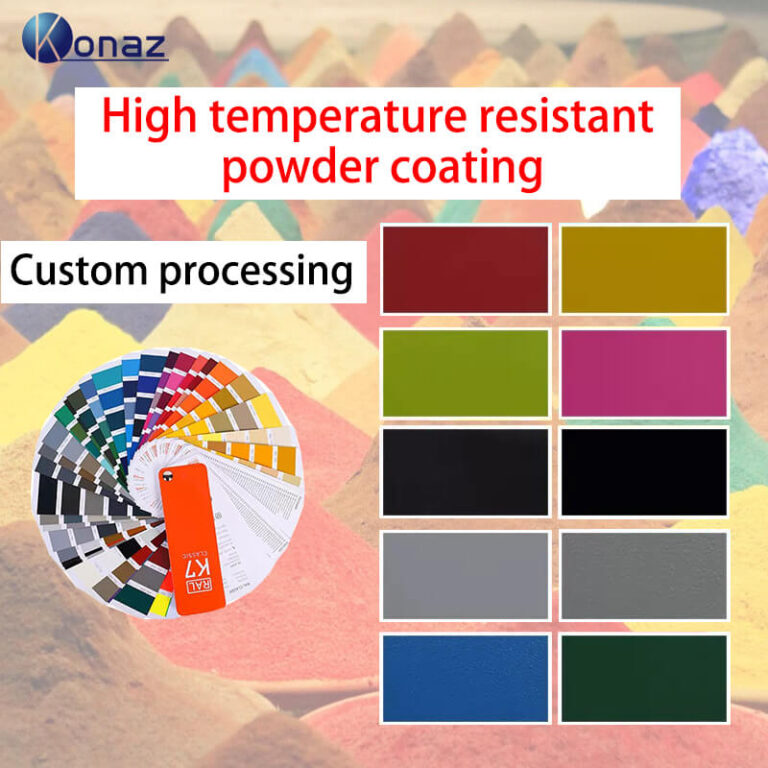
The approximately 200-800°C range on KONAZ’s silicone-based coating page leaves room for a further question: “Which formula are you offering for this component?” Until there’s an answer, the quotation hasn’t identified the paint. The same applies to color. A range description alone doesn’t confirm the duty of the shade you want.
There’s another detail worth putting in the enquiry: how the engine is used. Repeated starts and cooling periods belong in the sample test if they belong in service. A long exposure at one temperature answers a different question.
What else will reach the painted surface?
Suppose a painted cover is wiped down with a particular cleaner during servicing. The paint may have a suitable heat rating, yet that cleaner still needs to be discussed. Put its name into the enquiry. “Chemical resistant” tells purchasing less than a reply about the fluid that will actually touch the finish.
Explain the contact as well. Wiping a surface and leaving a splash on it are different exposures to describe. For the sample trial, agree on the one that matches the job and keep that proposal in the approval file.
Can your production line reproduce the sample?
Ask how the supplier made the sample. Was the metal prepared in the same way your factory intends to prepare it? KONAZ starts its application instructions with clean, exposed metal, free from oil and water. It then recommends light spraying, with thin brushing available when there is no spray equipment. Those details belong beside the approval, not in someone’s memory.
How much paint belongs on the part?
Give the operator a coating target instead of asking for a “good thick finish.” About 20-30 micrometres is the reference discussed in the film thickness guide for related applications. Is that the target for your quoted formula? Have the supplier settle that before the figure reaches the drawing.
Decide where thickness will be checked. A broad face may look convincing while an edge receives too little attention. Mark the inspection locations on the sample record. The person approving the next batch should be able to find those same locations without reconstructing the original trial.
Is drying part of the quoted process?
It should be. KONAZ’s published instructions give a 280°C bake for 15 minutes or about 24 hours of natural drying for the described coating. Confirm the instructions for the product actually supplied. Ask where that baking temperature is measured; the instruction doesn’t spell this out.
There’s a scheduling question here too. An oven route needs a part that can tolerate the proposed bake. An air-drying route needs somewhere for the coated parts to wait. When planning output, leave that waiting time in the timetable and get an agreed handling point for the packing team.
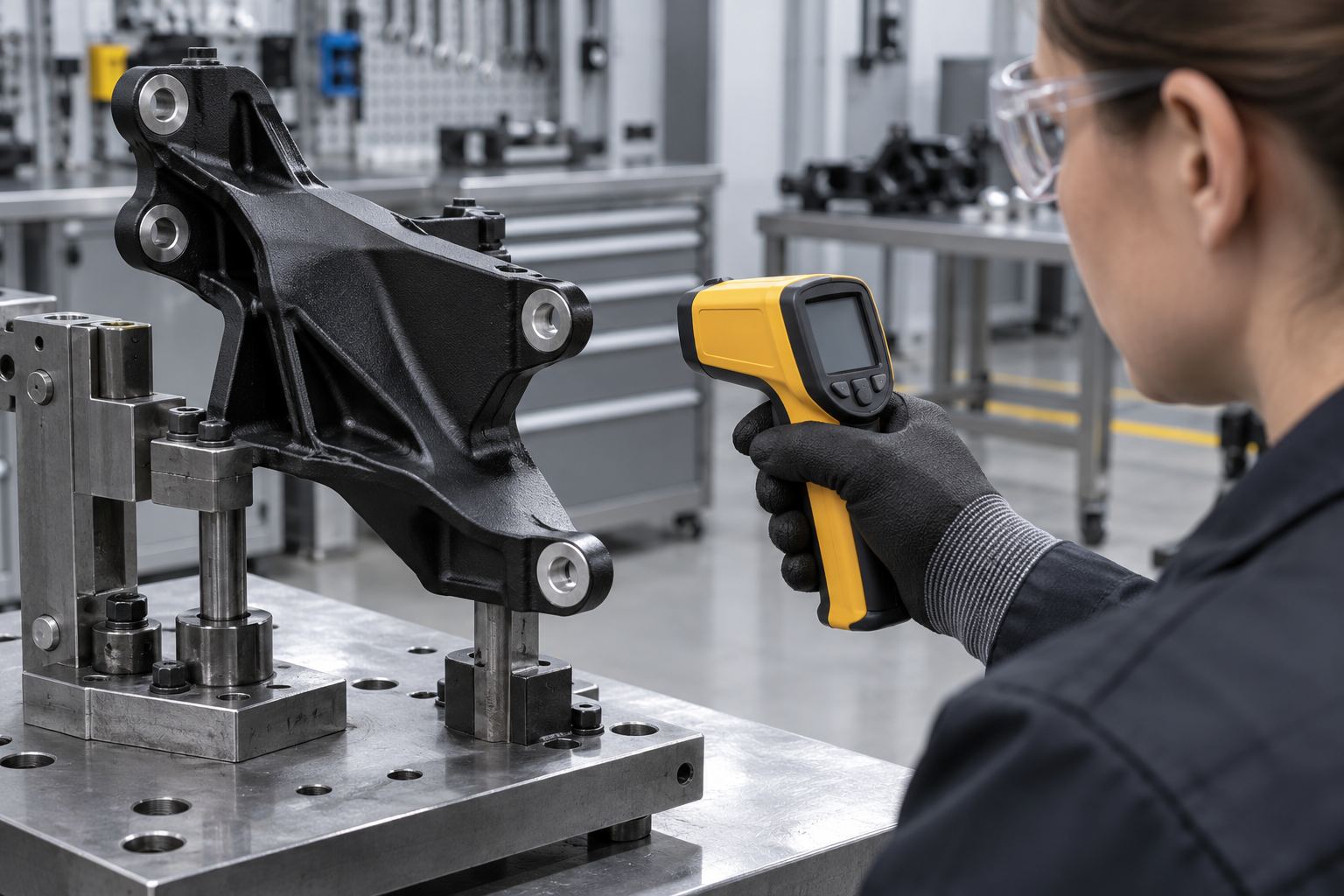
What will the factory compare after approval?
Use the same metal and preparation proposed for production. Take a close look before running the heat trial, then compare the cooled part with its starting condition. What counts as an unacceptable color change? How will an inspector judge an edge? Settle those questions while the sample is available.
Keep the approved sample as a reference for finish and coverage. KONAZ’s coating selection guide provides background for the discussion; approval still rests on the chosen part and process.
What can KONAZ supply for this enquiry?
Foshan Konaz Technology Co., Ltd manufactures functional coatings, including heat-resistant coatings for metal with published engine applications. Send the drawing and temperature information when requesting a recommendation. Keep the returned product name and application instructions with the quotation. Production will need them when the order arrives.
Conclusion
An order for high temperature engine paint should leave fewer questions for the coating line. Which part, which formula, how much coating and when can it be handled? The approved sample is the point at which those answers become visible. Keep it available for the next batch.
FAQs
Can an engine cover and manifold share a paint?
There’s no answer from the word “engine” alone. Include both parts in the enquiry, with separate temperature information, and obtain a recommendation covering each.
Is 800°C a requirement for an engine cover?
Only if the part’s duty calls for it. An 800°C figure on a range description isn’t evidence that a particular cover needs that rating.
What should purchasing retain after sample approval?
The physical sample and the process used to make it. Include the inspection requirements too, so a change of inspector doesn’t mean a change of standard.