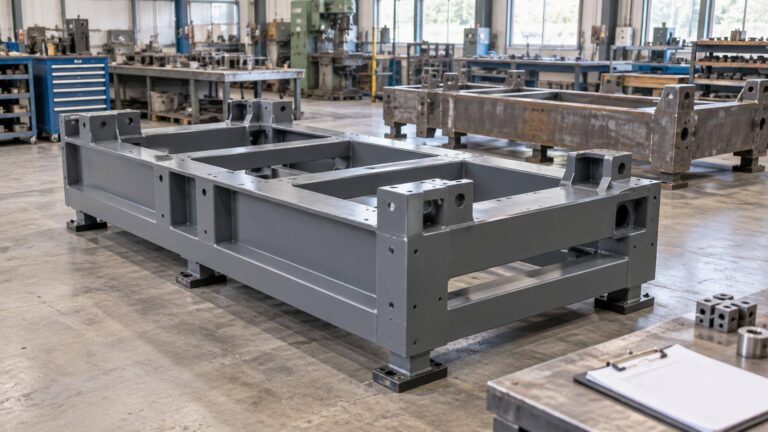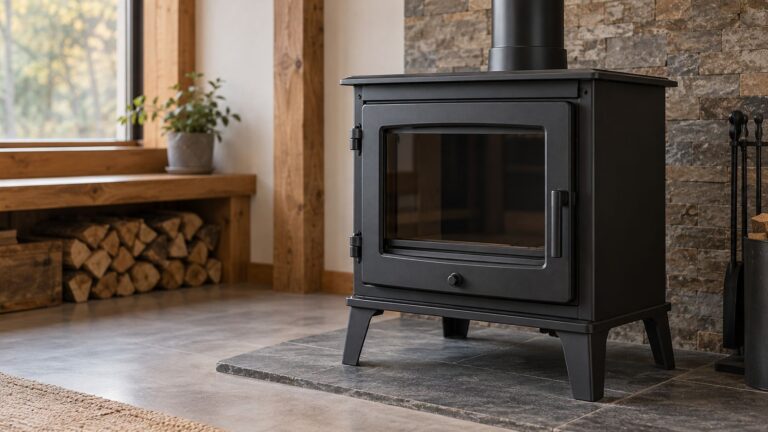
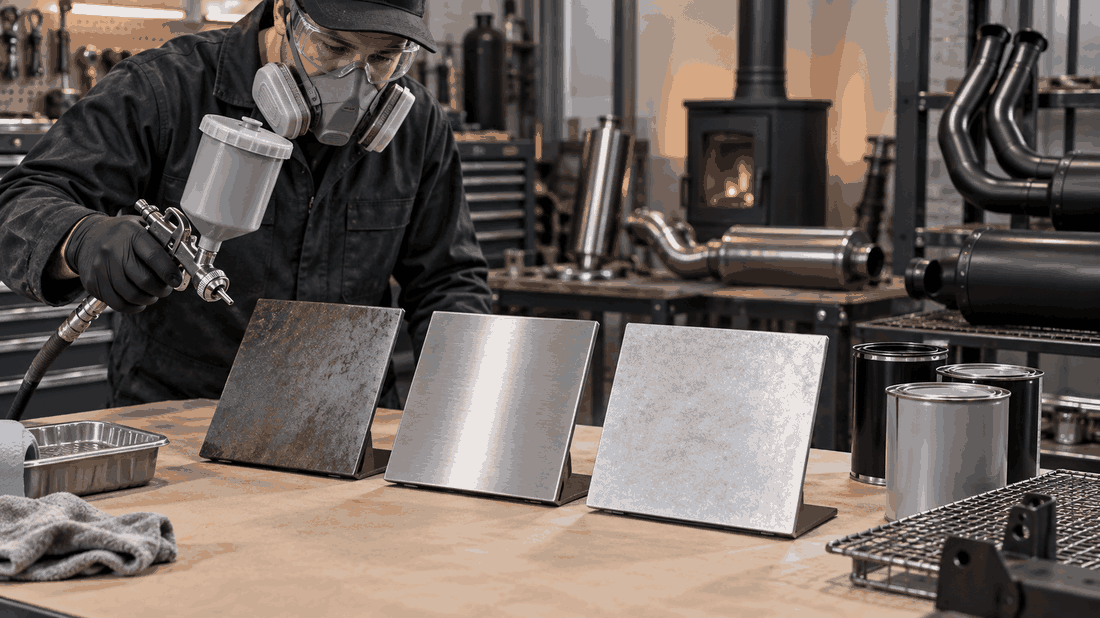
A steel frame can meet its overall paint consumption target and still develop rust at a weld or bolt connection. These details are easy to overlook because a flat beam face is more accessible to the spray gun and easier to measure. For fabricators and project inspectors, anti-rust paint coverage must be judged at the vulnerable details as well as across the main steel surface. Inspection should begin with the fabrication drawing, continue through surface preparation and application, and end with documented checks on representative joints before the assembly is accepted.
Why Do Welds and Sharp Edges Need Special Coating Inspection?
A nominal coating thickness measured on a flat plate does not prove that every corner has the same protection. Steel geometry, surface condition and the direction of spray can change the film deposited on small details.
What Makes Welds Difficult to Coat?
Weld beads, toes and adjacent heat-affected areas often contain changes in profile. Spatter, sharp ridges, oil and trapped abrasive can interfere with cleaning and application. A weld may appear painted while a narrow groove next to it still contains contamination or insufficient film. Inspectors should confirm that the specified cleaning and preparation work has been completed before judging the coating itself.
Why Are Cut Edges Vulnerable?
A liquid film can pull away from a sharp edge as it levels, leaving less protection than on the neighboring face. Grinding or rounding an edge may be required by the project specification before painting. Where stripe coating is specified, a controlled preliminary pass over edges and welds helps address the geometry before full-area coating. Stripe coating should follow the approved system rather than an assumed extra layer of any available paint.
What Must Be Checked Before Anti-Rust Paint Is Applied?
A sound inspection starts with the substrate. Applying another layer over loose rust or poor preparation will not correct the underlying condition.
How Should Fabricators Examine Welded Areas?
Check for visible weld spatter, slag, loose scale, dust, grease and moisture. Confirm that required grinding or abrasive preparation has reached tight corners and weld toes. The acceptance criteria should come from the project specification and the coating manufacturer’s instructions. Photograph any inaccessible or nonconforming locations while repair remains straightforward.
Which Bolted Surfaces Should Be Masked or Treated Separately?
Not every part of a bolted connection should receive the same coating. Mating faces, threads and slip-critical contact surfaces may have specific engineering requirements; paint on a contact surface must not be assumed acceptable. Confirm the structural connection specification before coating, and distinguish surfaces that need protection from those that must remain uncoated or receive a qualified treatment. After assembly, examine exposed bolt heads, washers and joint perimeters for missed coverage.
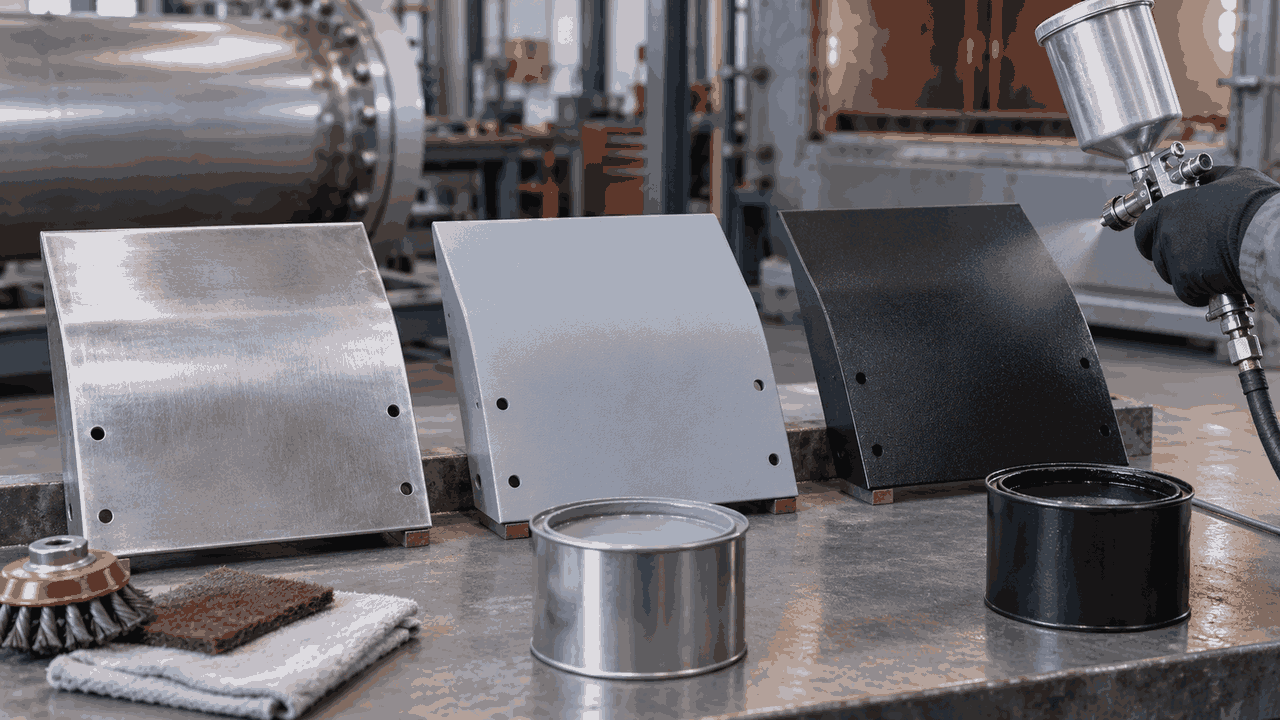
How Should Welds, Edges and Bolts Be Inspected During Painting?
Inspectors should use the same approved reference system throughout application. The goal is to detect incomplete coverage early, not to repair every detail after the assembly has been shipped.
Where Should Thickness Readings Be Taken?
Measure accessible representative areas using a suitable calibrated coating-thickness gauge and the agreed method. Add checks near flange edges, cut ends and welded details where the instrument can seat correctly. Readings taken at irregular weld beads may not be reliable; use complementary visual inspection or approved test pieces for those areas. Do not claim compliance from a single convenient reading on the broad flange face.
What Should a Visual Inspection Look For?
Inspect around weld toes, corners, bolt-head transitions, washer edges and hidden backs of brackets. Look for holidays, pinholes, runs, bare steel, damage around fasteners and obvious differences in coverage. Lighting and viewing angle matter: rotate small assemblies and use mirrors where necessary. An inspector should record the defect position and repair method rather than marking the entire component simply as a pass or fail.
How Can Fabricators Prevent Missed Areas During Assembly and Repair?
An inspection plan must cover the sequence of fabrication, painting, bolting and final handling. Some surfaces become inaccessible once a structure is assembled.
When Should Stripe Coating and Touch-Ups Occur?
Where the approved system requires stripe coating, complete it at the specified stage and verify that it does not interfere with the subsequent full coat. Plan access to welds and edges before a connection is enclosed. Following drilling, bolting or lifting, inspect damaged visible areas and use the qualified repair procedure and compatible product. Do not assume a field touch-up can restore an inaccessible unprotected surface.
How Should Results Be Recorded for the Buyer?
A useful report identifies the component, coating batch, preparation status, specified film build, inspected details, nonconformities and completed repairs. Include photographs of representative welded and bolted locations, not only wide shots of painted beams. For large orders, agree on sampling frequency and reinspection after repair. This complements the anti-rust paint coverage planning used to estimate material needs for complex steelwork.
What Can KONAZ Supply for Industrial Steel Protection?
KONAZ provides Anti-Rust Paint for steel structures, machinery, pipelines and other metal components. Its product information lists spray, brush and roller application, as well as primer or topcoat use according to the system. Buyers should confirm the chosen application, environmental exposure and project acceptance criteria before production. For broader substrate and environment considerations, consult the company’s steel-structure coating guide.
Conclusion
Special-detail inspection closes a gap left by ordinary flat-surface checks. Weld toes, cut edges and exposed bolted connections need a defined preparation method, suitable access, targeted visual examination and documented repairs. Mating surfaces must follow the engineer’s requirements rather than a general painting rule. By checking the actual joint geometry throughout fabrication and assembly, buyers can specify a more reproducible corrosion-protection process without relying on a single average thickness measurement.
FAQs
1. Is a flat-panel thickness reading enough for welded steel?
No. It cannot confirm coverage in weld grooves, around sharp edges or behind connections. These areas need targeted inspection.
2. Should every bolt and mating face receive anti-rust paint?
No. Connection drawings and engineering requirements govern the treatment of mating faces, threads and slip-critical interfaces. Exposed external surfaces should be checked separately.
3. Can stripe coating replace a full anti-rust coat?
Normally it is a supplementary operation within an approved system, not a substitute for the specified full-area coating.