A primer can boost adhesion and guard against rust. However, it can also act as the weakest link in a high-temperature coating system. The right choice relies on the base metal, the working heat, and the surrounding environment. It also depends on the guidelines for your chosen topcoat. Certain heat resistant coatings are made to go straight onto well-prepared metal. Meanwhile, other setups need a matching high-temperature primer. This manual shows how purchasers, builders, and repair crews can make the best choice for bare steel, stainless steel, and aluminum.
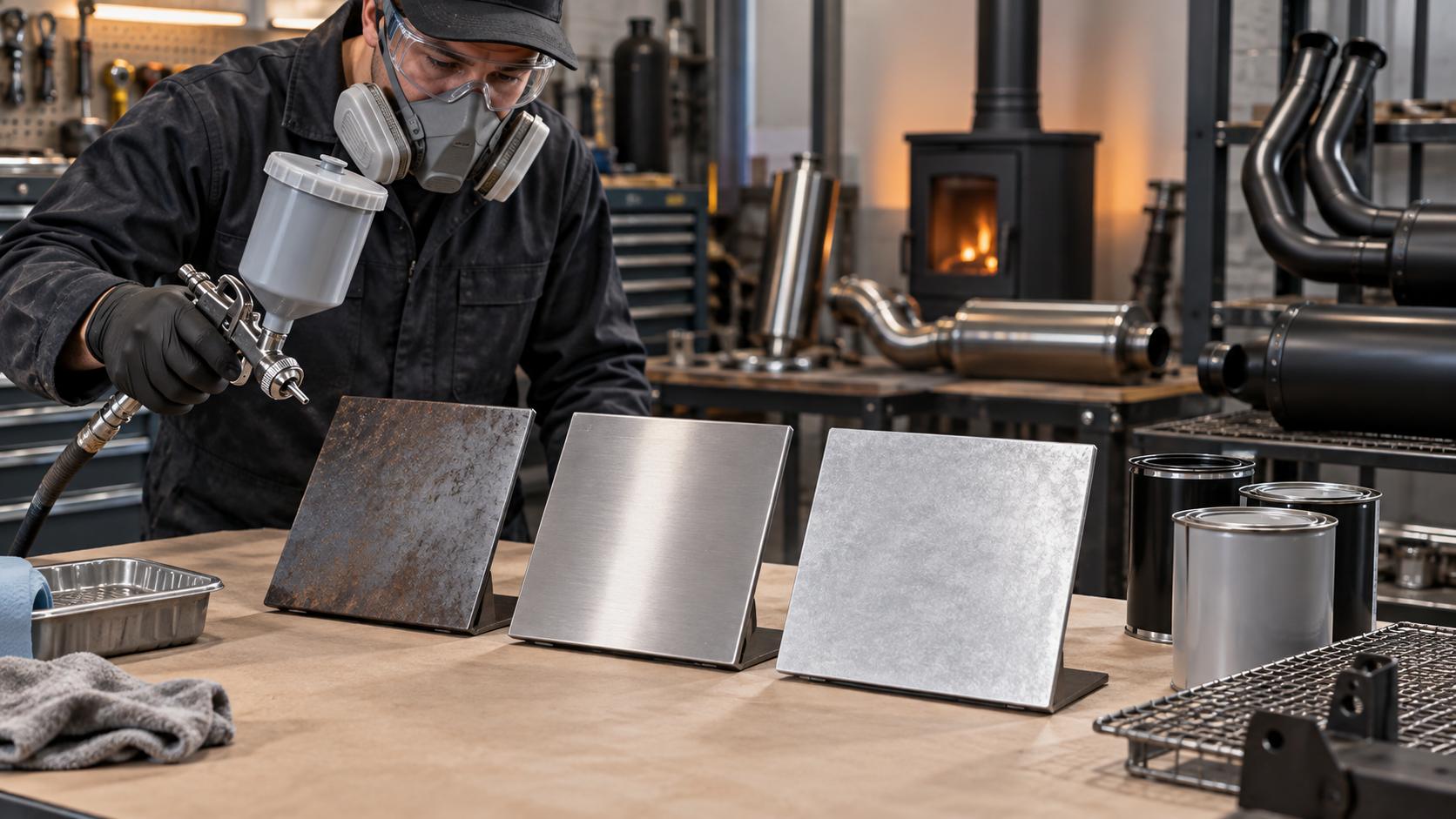
Why Is a Primer Not Automatically Better Under High-Temperature Paint?
At normal room heat, applying a primer often feels like added safety. Yet, in hot conditions, every single layer must handle the exact same heat shifts. A standard primer might get soft or lose its grip. It could also let out trapped solvents or break down long before the topcoat hits its maximum limit. As a result, the heat-resistant paint might bubble up or flake off, even if its own makeup stays strong.
Because of this, you must treat the primer and the topcoat as one complete, tested unit. Their chemical makeup, the time allowed for recoating, and the final dry film thickness must all match up perfectly. The curing times need to align as well. You should never put a basic metal primer under high-temperature paint just because it sticks well at regular room temperatures.
When Can High-Temperature Paint Be Applied Directly to Metal?
Putting paint right onto the metal makes sense when the coating maker suggests it. The base material needs to be solid, and you must be able to clean the surface to the needed level. Skipping an extra layer also cuts down the number of connections that might break during constant heating and cooling.
Direct Application on Prepared Carbon Steel
Carbon steel usually holds mill scale, rust, grease, cutting fluids, and welding dust. You have to clean off these impurities before you paint. Using abrasive blasting typically gives factory projects the most reliable cleanliness and surface texture. You can rub down smaller parts by hand or machine. Just make sure you take off loose rust and scale, and clean away all the oil. The main target is not just a bright look. Instead, you want clean, firm metal with enough texture so the paint can grab on tightly.
Direct Application When Production Simplicity Matters
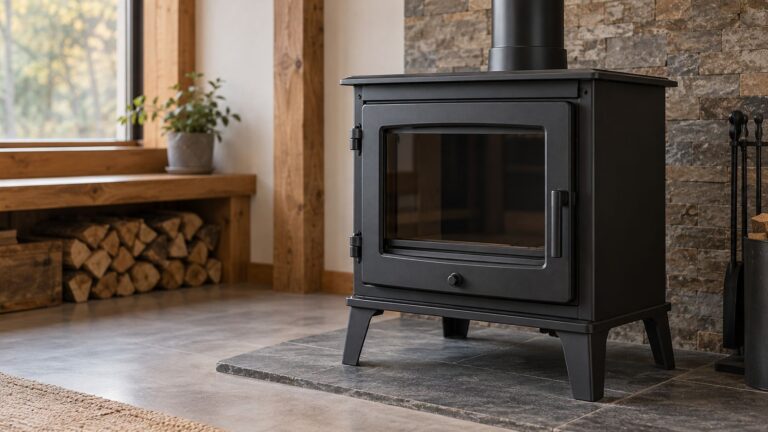
A proven direct-to-metal method can speed up the painting work. It lowers the handling of materials and cuts down waiting times for extra coats. This approach works well for exhaust parts, fireplace pieces, stoves, grills, and similar goods. It fits perfectly when the chosen paint offers both heat defense and rust block. Buyers must still ask for usage details. These details should cover surface prep, suggested paint thickness, and drying steps. They should also explain steady versus sudden heat limits. You can find the difference between these heat limits in this heat-rating guide.
When Does Bare Steel Need a High-Temperature Primer?
Bare steel might require a primer when rust poses a huge risk during use. It is also needed if the topcoat offers weak direct-to-metal defense. Sometimes, the project rules demand a multi-layer setup. This situation happens often near salt, heavy dampness, and open weather. It is also common around factory smoke and during long breaks when machines cool down and water gathers.
The primer you pick must handle the actual heat of the metal. It must also work well right under the topcoat. Do not judge it just by the highest number written on the bottle. The primer needs enough rust-fighting power for the setting, but it should not build up too thick. Thin, smooth layers usually let out solvents and dry much better than thick layers. If a part only hits 800°C in one small area, check the heat across the whole piece. Do not just pick one heavy paint setup blindly.
How Should You Prepare Stainless Steel for Heat-Resistant Paint?
Stainless steel fights rust well because of its calm surface. However, that slick finish can make paint stick poorly. Just washing away oil might not leave enough texture. Workers often use light abrasive blasting or careful machine sanding. This step depends on the coating maker’s rules and the final look you want.
You should apply a primer only if it is made for stainless steel. It must also handle the expected high heat. Builders must keep away carbon-steel dirt from shared brushes, blasting sand, or workbenches. Tiny bits of iron stuck in the metal can rust later on. This rust makes a good paint job look ruined. Doing a small test for grip and heat handling on the real metal is a smart move before full work begins.
What Is Different About Priming Aluminum?
Aluminum builds an oxide skin very fast after you clean it. It also stretches out more than steel when it gets hot. This stretching adds stress between the metal base and the paint. Surface cleaning must take away dirt while making a careful texture. You must do this without hurting thin pieces. Chemical washes might fit well in some factory lines. Still, every wash and primer must match perfectly with the heat-resistant topcoat.
Since aluminum types and working heats change a lot, testing the setup is very important. Paint sample parts and dry them exactly as you plan to do in real life. Then, put them through repeating hot and cold cycles. Look closely for peeling edges, cracks, color shifts, and weak grip. Do not just trust a simple pull test done in a cool room.
How Can You Avoid Primer-Related Coating Failure?
Begin by looking at the full working setup. Check the metal type, the highest surface heat, and the steady running heat. Also note how fast it warms up and cools down. Look out for direct flames, harsh chemicals, damp air, and outdoor weather. After that, check if the topcoat goes straight onto the metal. If not, make sure it belongs to a tested primer-and-topcoat pair.
Control Film Thickness and Recoat Timing
Putting on more paint does not always give better safety. Too much thickness can trap solvents inside. This trapped liquid builds up inner stress when the part gets hot and cold. Put on the exact wet and dry paint thickness asked for. Watch the flash-off times carefully, and stick inside the allowed recoat window. Do not heat the paint too hard before all the quick-drying liquids have safely left.
Validate the Curing Schedule
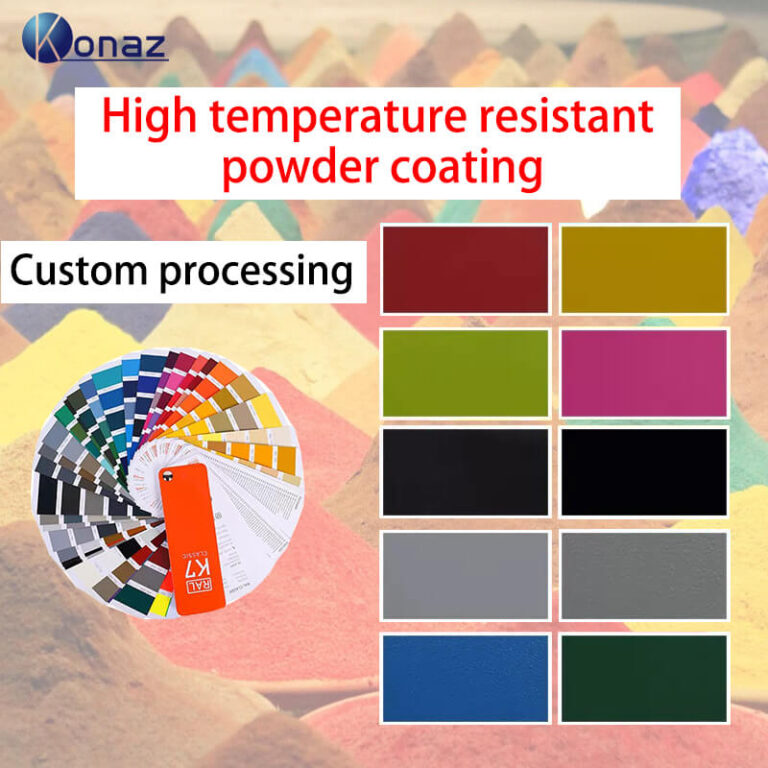
Some high-temperature coatings dry in the open air. Others need step-by-step heating or oven baking to reach their best strength. For the Konaz liquid system, the printed guide suggests a thin layer. Next, it advises baking at 280°C for 15 minutes. If baking is not possible, you can let it dry naturally for 24 hours. Factory teams must check the final drying plan for their specific mix, part shape, and line setup. For exhaust projects, the temperature-selection guide gives extra helpful details.
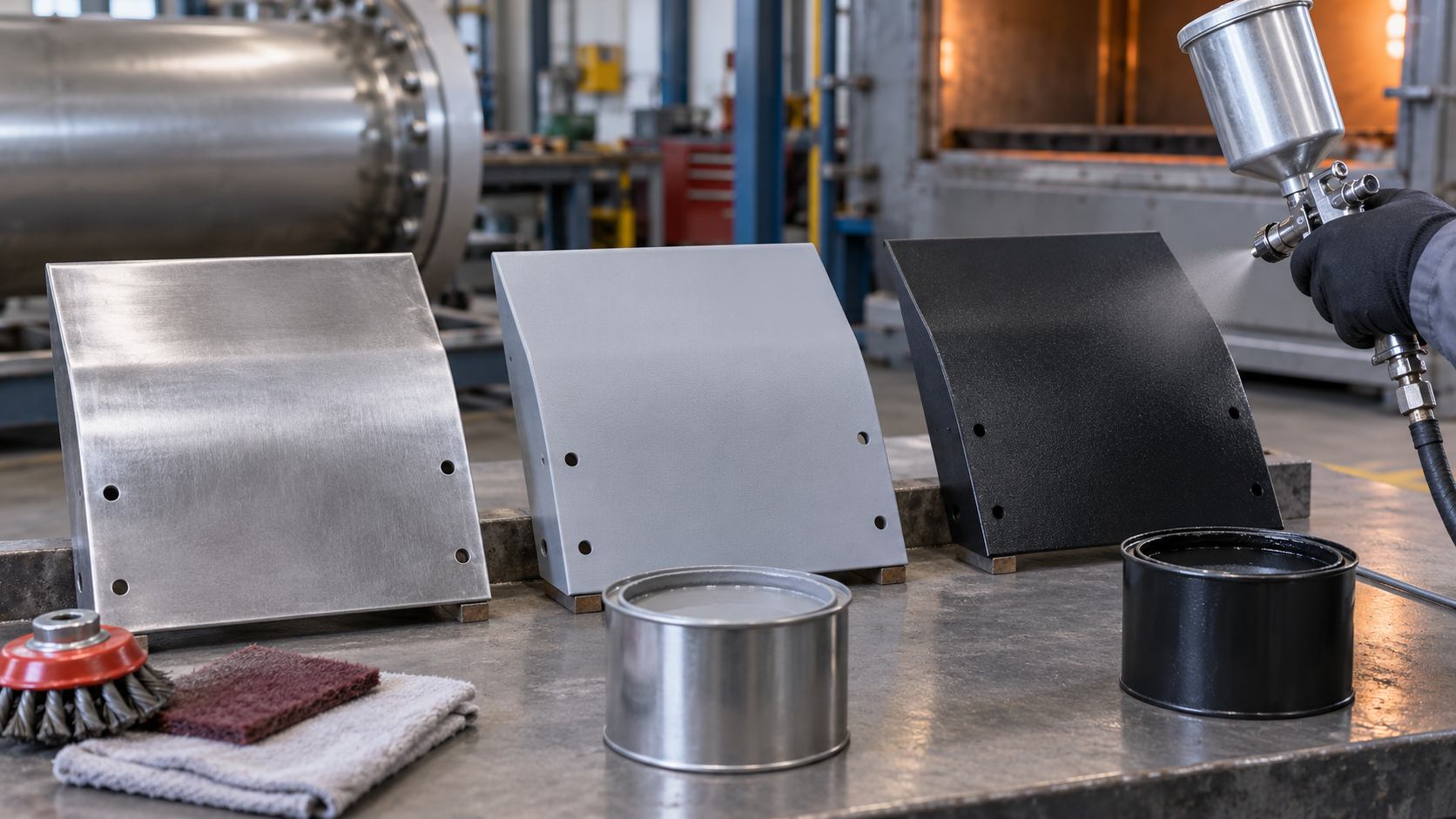
Why Choose Foshan Konaz Technology Co., Ltd as a Heat-Resistant Coating Supplier?
Foshan Konaz Technology Co., Ltd creates working paint materials for factory uses. Its high-temperature coating range is built for metal parts like exhaust setups, fireplaces, grills, and warming gear. They offer choices for different painting ways and drying needs. Factory buyers can talk about the base metal, heat limits, final look, and making methods. They can also ask for sample checks before buying a large batch.
Conclusion
High-temperature paint does not always require a primer. Cleaned carbon steel might take a direct-to-metal paint fine. On the other hand, a rusty setting might call for a matching high-temperature primer. Stainless steel and aluminum need extra care regarding surface texture, dirt, metal habits, and heat stretching. The safest choice is a fully tested paint setup. In this setup, the cleaning, primer, topcoat, thickness, and drying are all checked together under true hot and cold cycles.
FAQs
Can I Use a Regular Automotive Primer Under High-Temperature Paint?
You can only do this if the primer maker says it works with the exact topcoat and the working heat. A normal room-heat car primer might break down way before the high-temperature topcoat hits its heat limit.
Does Stainless Steel Always Need a Special Primer?
No, it does not. Some paints can go straight onto well-roughed stainless steel. Other paints do need a matching primer. Always read the paint details and check the grip on the actual metal.
Should I Prime a Previously Painted High-Temperature Surface?
First, figure out if the old paint is strong and mixes well chemically. Scrape off any loose, dusty, or broken parts. Make the needed surface texture. Finally, use only a primer that is fully cleared for the whole high-temperature setup.